How to Report a Change of Address to USCIS Within 10 Days
4 minute read
In most cases, you have 10 days to file a change of address USCIS after moving to a new home. Section 265 of the Immigration and Nationality Act sets this deadline for almost every non-citizen living in the United States.
Missing the deadline is a violation of federal law that can lead to fines or removal proceedings. We help clients stay compliant, often working alongside family immigration attorneys to keep records accurate throughout the residency process.
Who must report a change of address to USCIS after a move
The requirement to keep USCIS informed of your location applies to almost everyone who is not a U.S. citizen. This includes permanent residents and those with a pending Form I-485 green card application or a pending work permit.
For nearly all of these cases, reporting a change of address to USCIS is mandatory. This duty is personal, so each member of a household usually needs to file a separate notification, even when everyone moves together.
We see this most often with lawful permanent residents who assume that having a Green Card exempts them from reporting. Under the law, the 10-day deadline starts the moment you move into your new home.
Only a few specific groups are exempt from this reporting requirement: holders of A or G visas, such as diplomats and representatives of international organizations, and visitors admitted under the Visa Waiver Program.
While the law is clear on who must report, many people confuse this legal duty with a standard post office request. Even if you have updated your details with other government agencies, you must still submit a specific notification to immigration authorities to avoid case abandonment.
USCIS has also proposed expanding this reporting requirement, so it is worth watching for updates.
Why USPS mail forwarding is not enough
A common mistake is assuming that a trip to the local post office covers your immigration obligations. Setting up mail forwarding with the U.S. Postal Service (USPS) is a helpful step for your personal mail, but it does not satisfy the legal requirement to notify USCIS directly.
The agency does not automatically receive updates from the post office. Your official immigration file will remain tied to your old residence until you take action directly with USCIS.
Furthermore, USCIS mail often contains sensitive documents such as Green Cards or employment authorization cards that the postal service is strictly prohibited from forwarding. These packets are highly confidential and require direct delivery to your home. Envelopes are frequently marked “Do Not Forward” and will be returned to the agency even if you have a USPS request in place.
To ensure your mail actually reaches your new door, you must use the specific tools provided by the agency. Relying on the postal service alone often leads to missed appointments or lost physical documents that are difficult and expensive to replace.
How to report a change of address to USCIS using the online tool
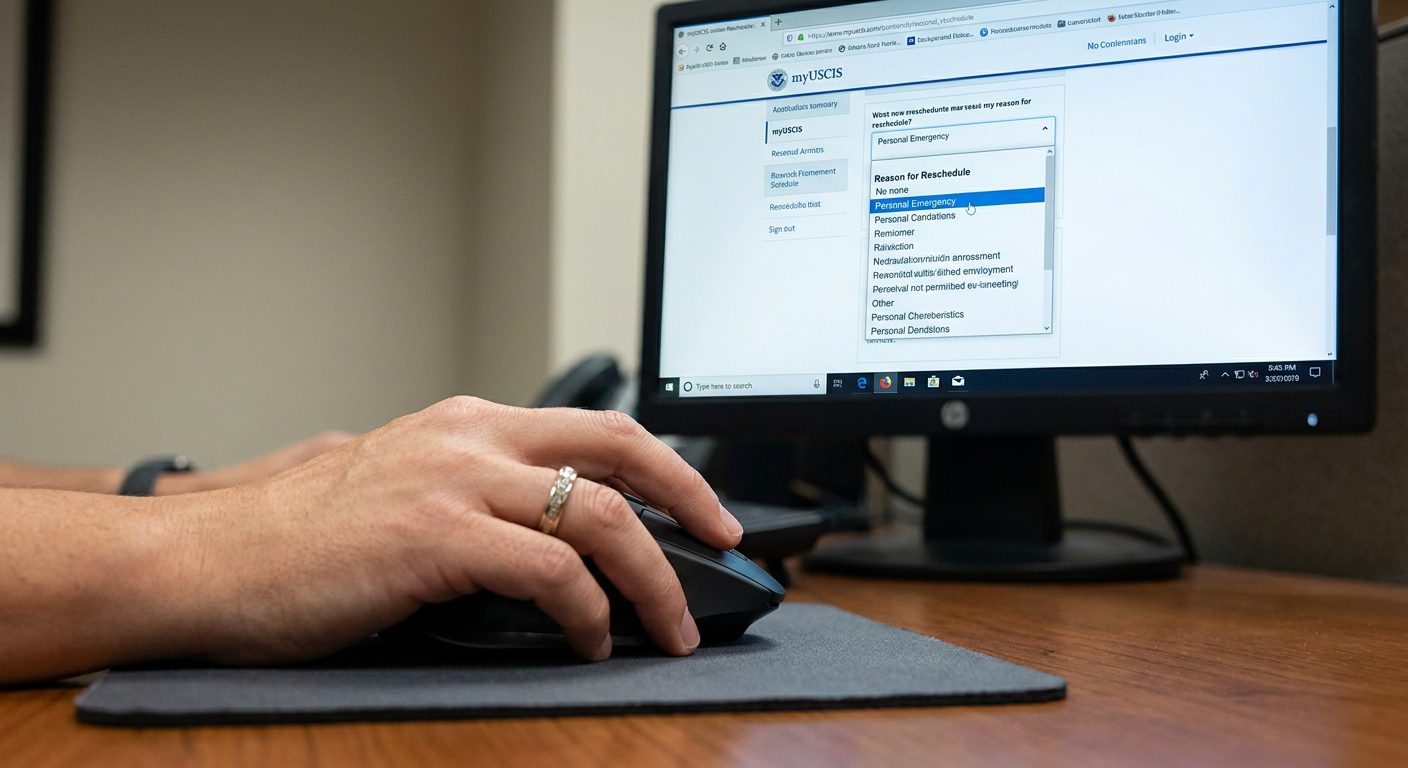
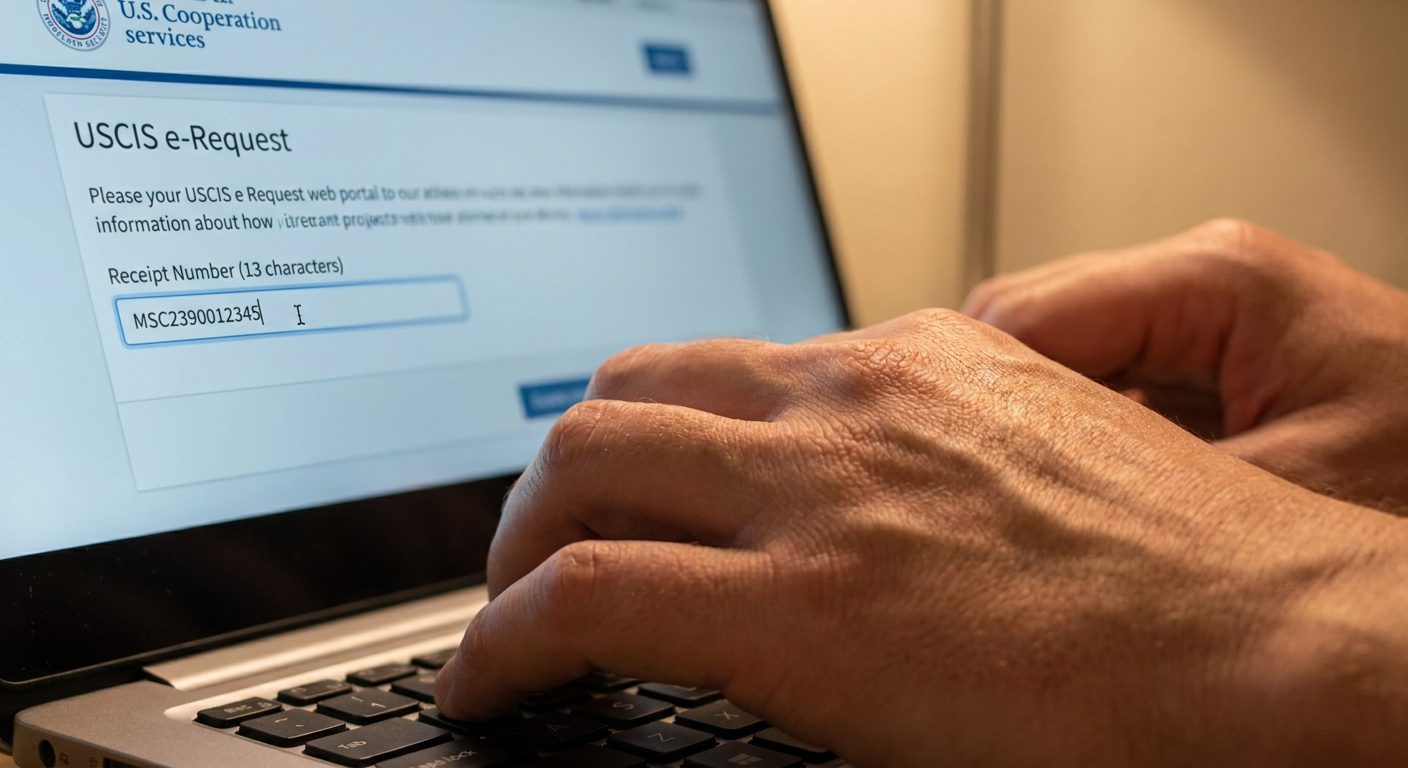
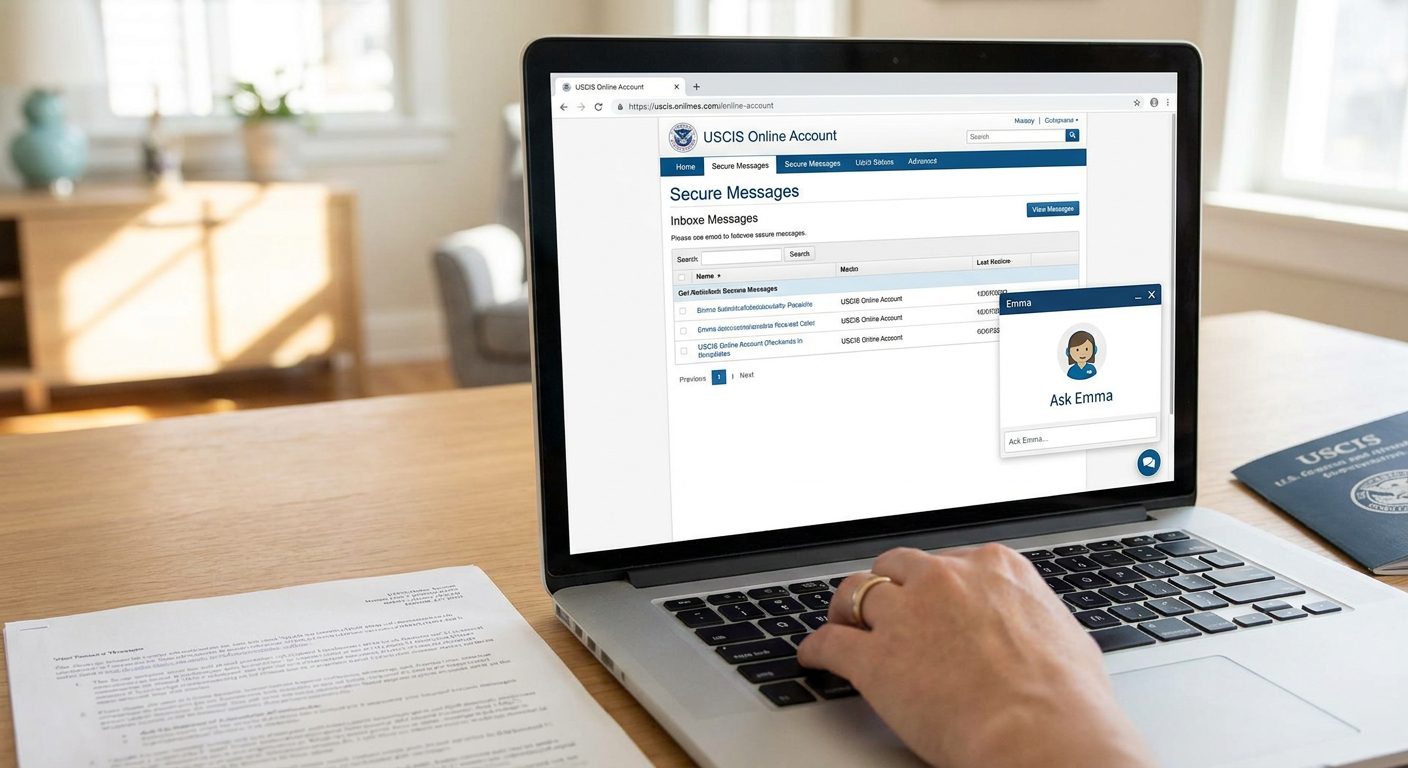
The most efficient way to comply with the 10-day rule is through the digital portal launched in late 2023. This tool, known as E-COA, is designed to update your master record and any pending cases at the same time. Follow these steps to complete the process online:

- Log in to your USCIS online account to access the Enterprise Change of Address (E-COA) tool.
- Enter your new address and the date you moved to ensure your change of address is logged accurately with USCIS.
- Select all of your pending receipt numbers to link the new address to every active case.
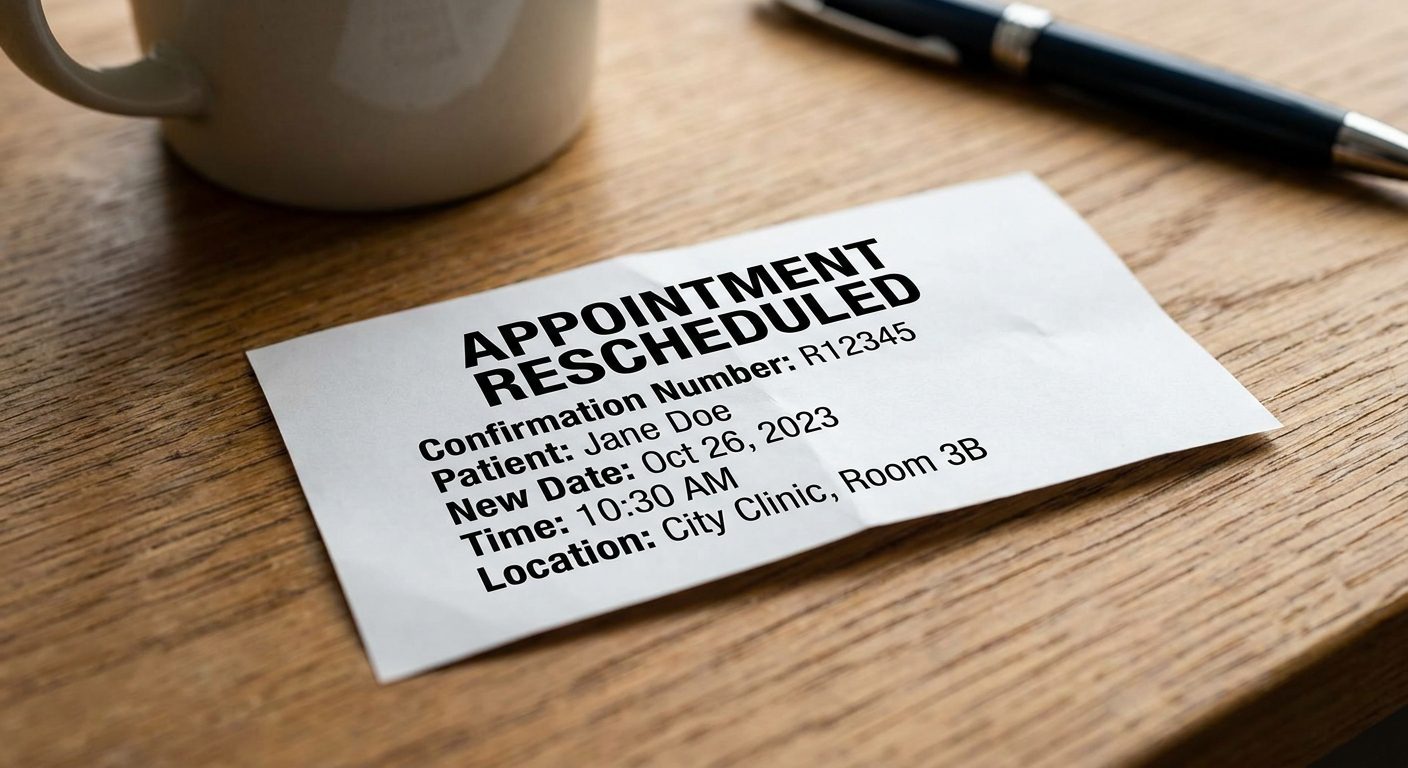
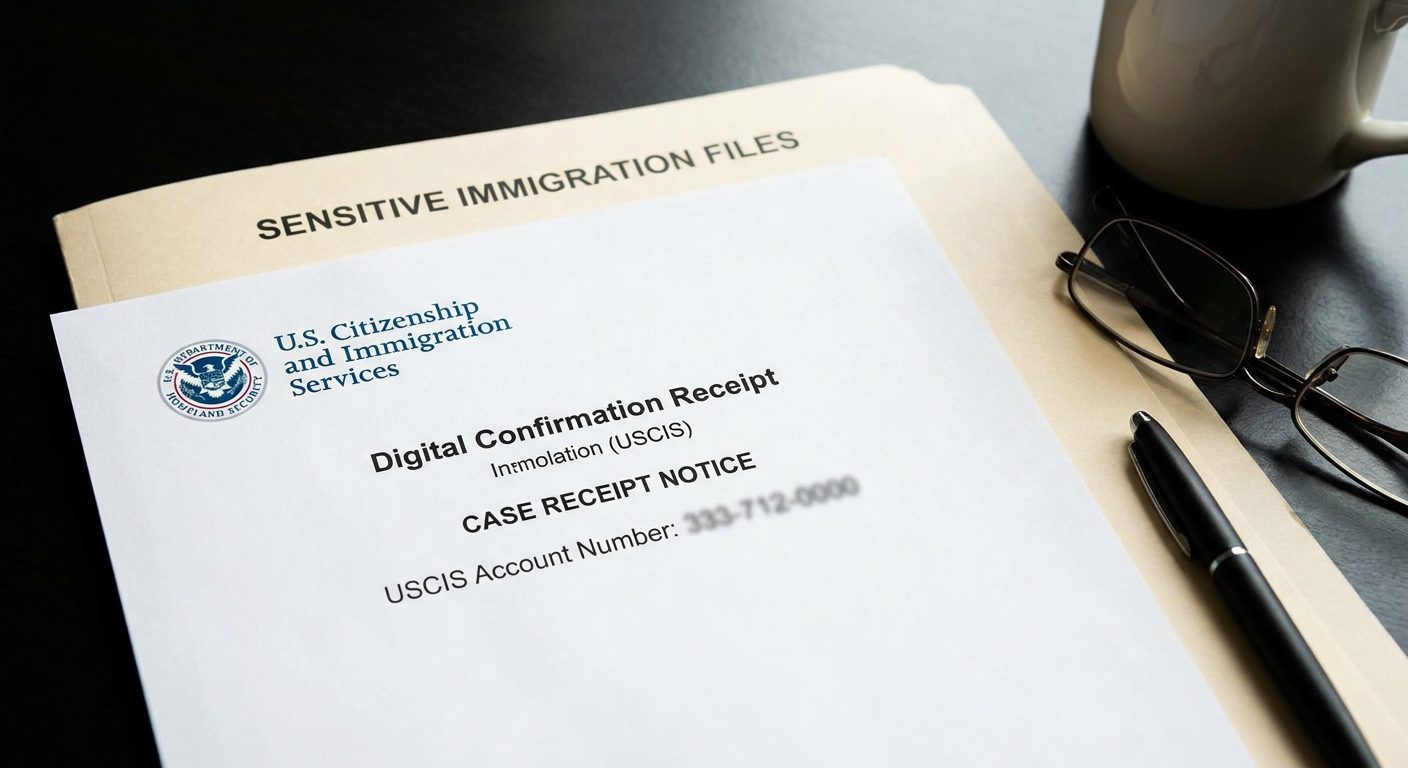
- Review the information and submit the update to generate a digital confirmation receipt.
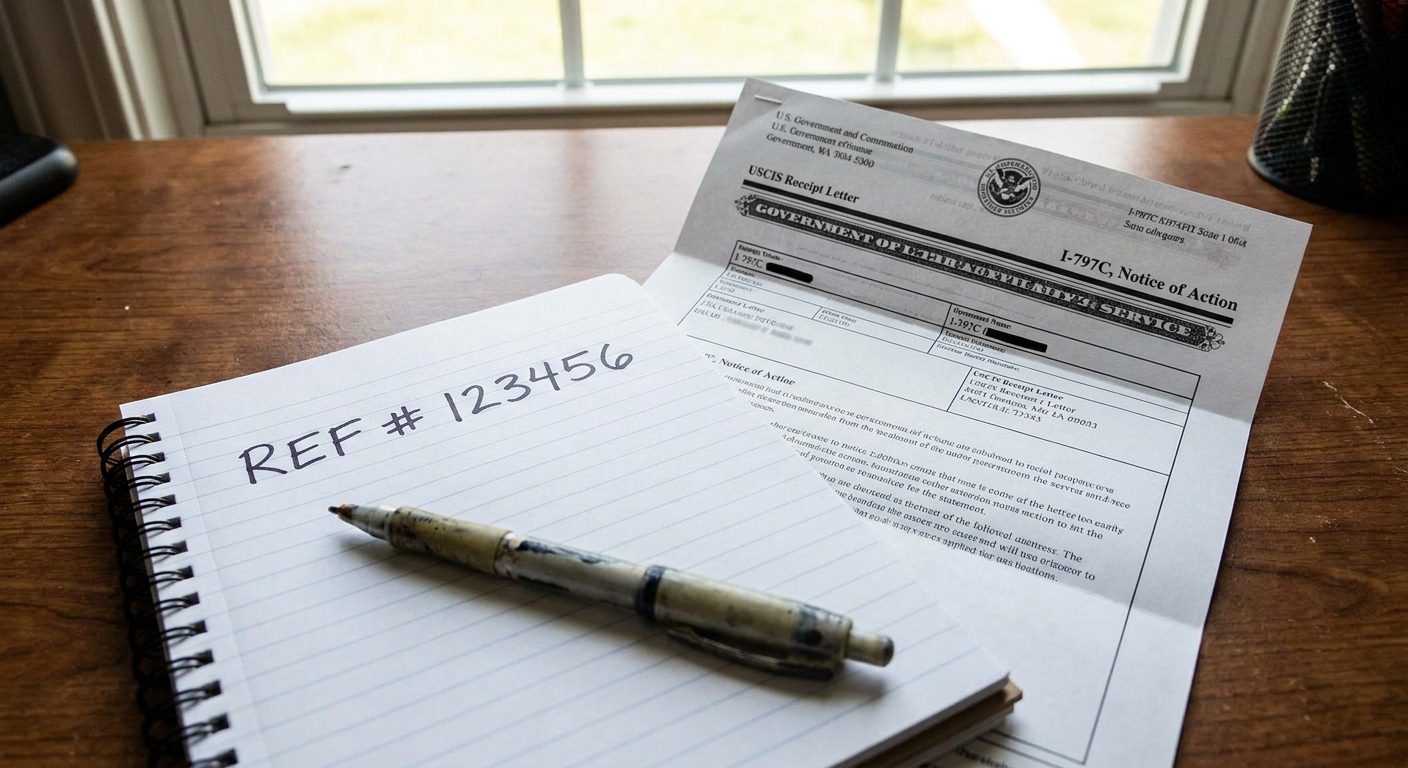
- Save or print the confirmation receipt as your official proof of filing in case the agency later claims you failed to report.
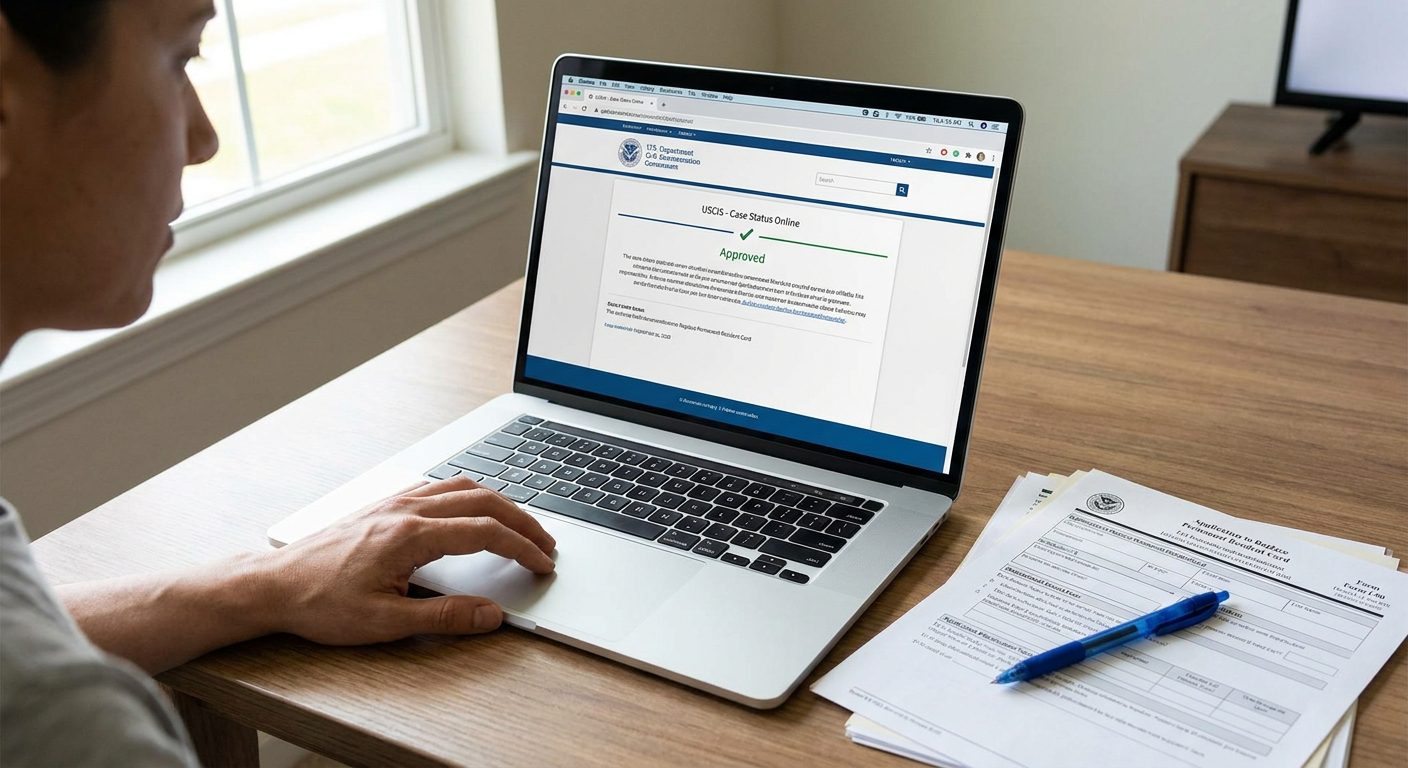
After submitting the update, you should check your case status to confirm the system reflects the change.
Special rules for VAWA and U visa applicants
For those seeking protection under humanitarian programs, address updates involve additional layers of security. Privacy is paramount for survivors, and these cases require a different mailing procedure to prevent sensitive information from reaching an abuser or a perpetrator of a crime. Standard online tools are not always sufficient or safe for these specific filings.
Safe addresses for survivors
If you have a pending case under the Violence Against Women Act (VAWA) or for a U visa or T visa, you generally cannot use the standard E-COA tool for all updates. Instead, you may need to mail a physical Form AR-11 to the specific humanitarian service center handling your file.
This allows you to designate a safe address, a location where you can safely receive mail without an abuser knowing where it is.
We recommend verifying the current mailing instructions on the USCIS website before sending any documents, since safe address protocols are strictly enforced for the protection of survivors. Beyond applicants themselves, sponsors and supporters also have specific reporting duties of their own.
Sponsor obligations and Form I-865
The responsibility to keep USCIS informed extends to the U.S. citizens or residents who sponsored your petition. If a sponsor signed an Affidavit of Support (Form I-864), they are legally bound to report address changes until their obligation ends.

This obligation ends when the sponsored immigrant becomes a citizen, leaves the United States permanently, or completes 40 qualifying quarters of work. Sponsors should stay alert to their own reporting duties throughout that time.
Sponsors use a different form entirely, known as Form I-865, and they have a slightly longer window of 30 days to notify USCIS of their change of address. This is a separate requirement from the applicant’s Form AR-11.
Sponsors who fail to report a move can face civil fines ranging from several hundred to several thousand dollars, depending on whether they knew a sponsored immigrant was receiving public benefits. Failing to manage these updates correctly can lead to severe consequences for the entire immigration process.
Risks of failing to update your address on time
The administrative burden of filing a form is minor compared to the legal risks of a lost application. The primary risk of an outdated address is the abandonment of your case.
If the agency sends a time-sensitive notice, such as a request for evidence (RFE) or an interview appointment, and it is returned as undeliverable, USCIS may deny the application for failure to respond. Once a case is denied for abandonment, it can be very difficult to reopen.
Consequences of returned mail
Missing a biometrics or interview notice because you did not update your address can result in your application being closed. Federal law, at 8 U.S.C. § 1306(b), also makes failure to notify USCIS of a change of address a separate offense, punishable by a fine of up to $200 or up to 30 days in jail.
The same statute also allows for removal proceedings in serious cases, unless the person shows that the failure was reasonably excusable or not willful.
We recommend checking your case status frequently after a move to confirm no notices were triggered before the system was updated. If a notice was already missed, prompt legal guidance can help protect a pending case.
If you are unsure whether your address change was recorded in the system, if you have already missed a government notice because of a recent move, or if you need to establish a safe address for a VAWA or U visa petition, contact our team and we will look at it with you. We can help you verify your status and ensure your residence is updated correctly.
Frequently asked questions about reporting a change of address to USCIS
What happens if I miss the 10-day deadline to report my move?
Filing late is generally better than not filing at all, as it shows an attempt at compliance. While federal law allows for penalties, the immediate priority is updating the record to ensure you receive future notices. If you are significantly past the window, a legal professional can help document the reasons for the delay to protect your pending case.
Can I use a P.O. Box as my official residence for USCIS?
In most cases, you must provide the physical address where you actually live so the agency knows your location. While you can sometimes provide a separate mailing address for documents, the reporting requirement specifically tracks your residence. Using only a P.O. Box without a physical home address typically results in a rejection of your address change notification.
What should I do if my address change confirmation has a spelling error?
If you notice a mistake on your confirmation receipt, you should typically submit a new update through the E-COA tool immediately. Accurate records are necessary for the safe delivery of green cards or work permits. Saving both the original receipt and the corrected version provides a clear paper trail showing your efforts to keep the agency informed.
How long does it usually take for the system to show my new address?
Updates through the online Enterprise Change of Address (E-COA) tool often reflect in the system within a few days, though timing may vary by case type. It is common for local field offices to take longer to see the update. Checking your case status frequently after filing helps verify that the new information has been linked correctly.
Do I need to report a move if it is only for a few months?
Yes. Federal regulations require reporting any change of address within 10 days, regardless of how long the stay at the new location will be. The only exemptions from this requirement apply to specific categories, such as A or G visa holders and visitors admitted under the Visa Waiver Program. A short trip does not remove the reporting obligation.
Does my sponsor need to file Form I-865 if I have already become a citizen?
The legal obligation for a sponsor to file Form I-865 ends once the immigrant they sponsored naturalizes as a U.S. citizen. Other triggers for ending this duty include the immigrant permanently leaving the country or completing 40 quarters of work. Until one of these specific events occurs, the sponsor must report every move within 30 days to avoid fines.