4 minute read
A USCIS service request is a formal inquiry you file once your case is past the agency’s own posted timeline. You can submit one only after the “earliest inquiry date” on the processing times page is later than your receipt date.
Checking your case status confirms whether that date has passed for your form, category, and office, since eligibility depends on your local backlog. If your status has not changed, our green card lawyers can help you evaluate your timeline against current agency data.
Calculating when your case qualifies for a service request
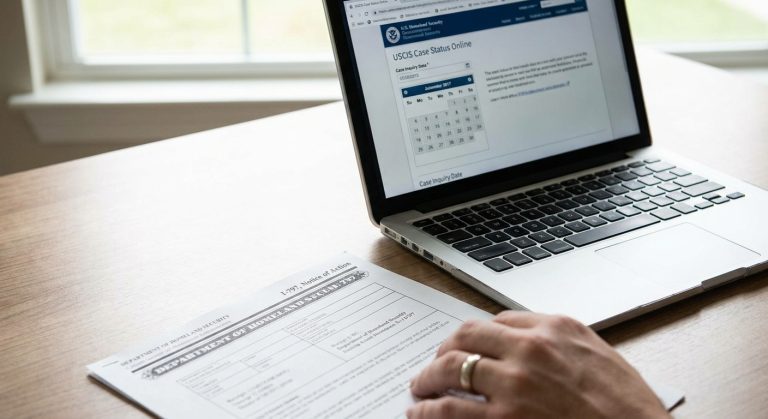
Before you can file a request, you must verify your case status through the official portal. If you have not done so yet, start by learning how to check your USCIS case status online, since that confirms whether your filing date has crossed the internal threshold for inquiries.
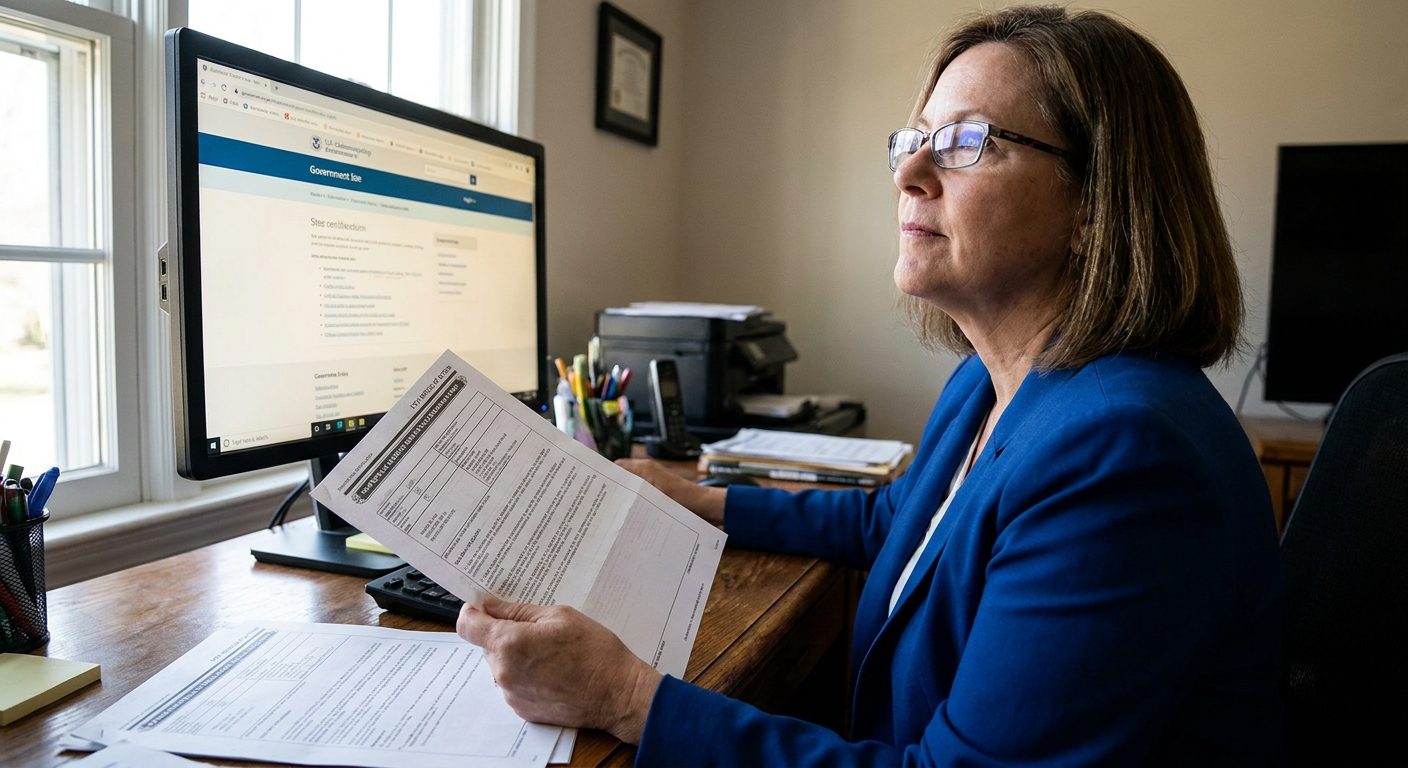
This threshold is found on the official USCIS processing times page and requires you to input your specific form type, case category, and the office handling the application.
Understanding the 80th percentile
USCIS lists processing times based on how long it takes to complete 80% of cases. This means 20% of cases will naturally take longer than the posted average. We often see cases where the processing time tool jumps backward, meaning a case that was eligible for inquiry yesterday might not be today due to shifting averages.
You cannot submit an inquiry until the tool specifically generates a date that is later than your Receipt Date. Even if you believe your case is overdue based on stories from other applicants, the online system uses these internal averages to block early submissions until the case meets the technical definition of a delay.
How the processing times tool works
The system is sensitive to the specific field office or service center listed at the bottom of your latest receipt notice. That office-specific variation shapes the wait on every case type, including adjustment of status processing time, because each office updates its own averages weekly. If you select the wrong office in the dropdown menu, the inquiry date provided will be inaccurate.
If your case is pending at a field office that is not in your home jurisdiction, it may be due to workload redistribution across the agency. This kind of geographic shift is one of several factors behind green card delays, and it can make a case look stuck when it is really just in a slower queue.
How to submit your inquiry to USCIS
Submitting the request is a specific digital procedure that requires your official receipt notice. When you prepare a USCIS service request, you are creating a formal administrative record of the delay, which is why the online e-Request system is preferred over phone calls. This method creates a paper trail and provides a specific inquiry receipt number for your records.
- Visit the USCIS e-Request portal and select the “Outside Normal Processing Time” option.
- Enter your 13-character Receipt number exactly as it appears on your I-797 notice.
- Select the specific Type of benefit you applied for, such as an I-130 or I-485.
- Input the Date filed, which is the “Received Date” printed on your notice, not the date you mailed the package.
- Provide your current contact information, including an email address where you can receive the official response.
- Describe the current status of your case in the text box, noting if you have already completed biometrics or interviews.
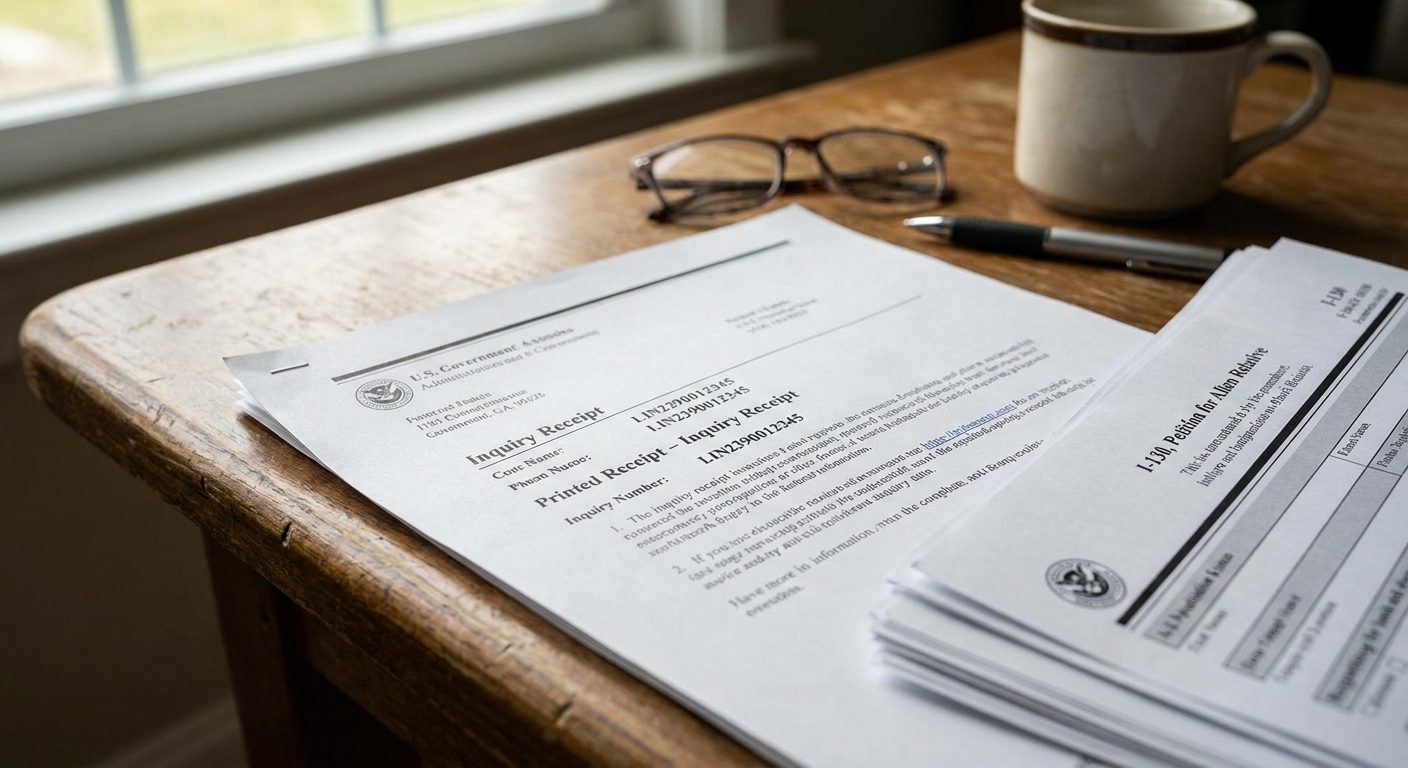
After you click submit, the focus shifts from action to monitoring the response window. You will receive an inquiry receipt number immediately; save this document as it is required for any future escalations outside the agency if the initial request fails to move the file.
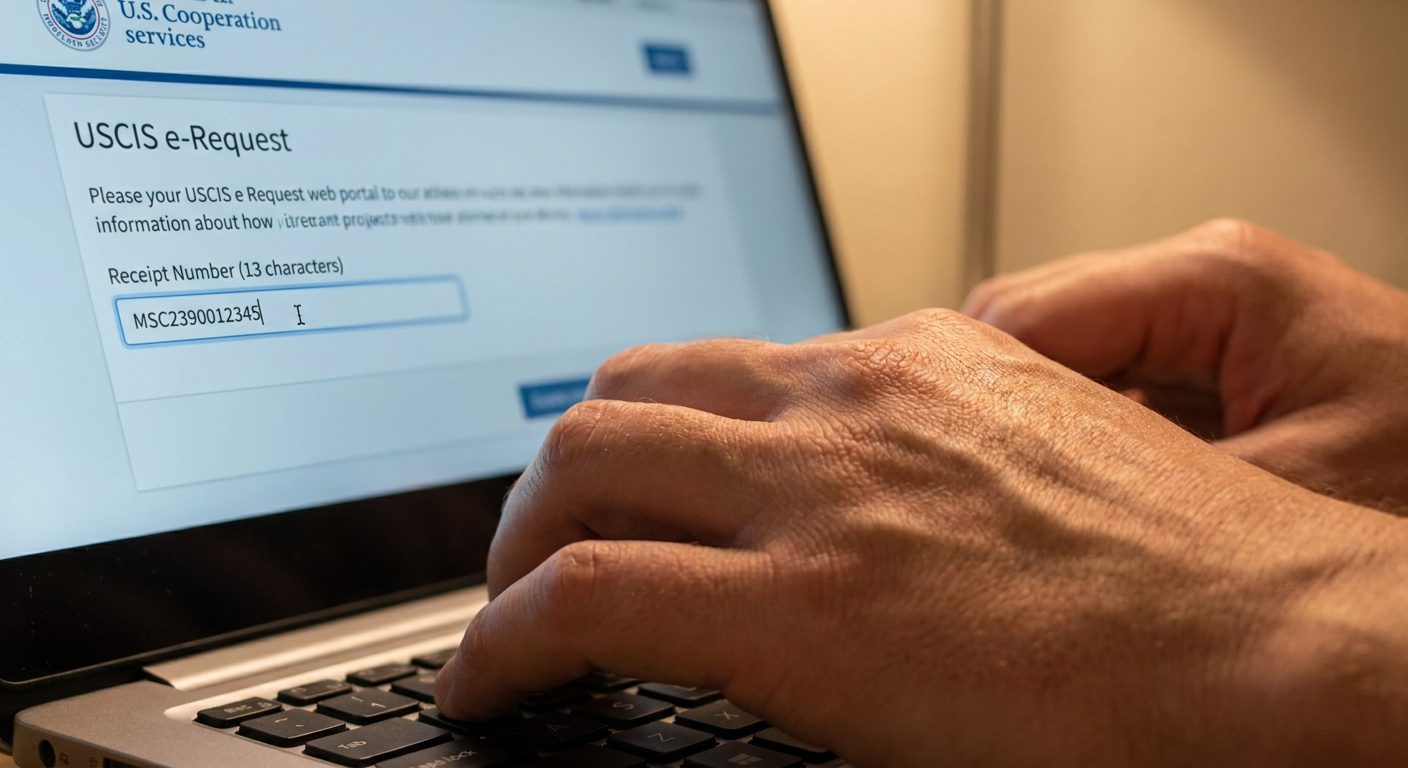
What happens after you submit your inquiry
The digital submission generates an inquiry receipt number that is separate from your case receipt number. Wait times for a USCIS service request response are generally standardized, as USCIS aims for a 30-day response window, though this is an internal goal rather than a statutory deadline.
During this time, an officer at the service center or field office is supposed to pull your physical or digital file to determine why it has not moved to the next stage.
This internal review process is designed to verify if technical glitches or missing data are stalling the file from being assigned to an adjudicator. You generally will not speak with that officer directly, since the review happens internally rather than through a live conversation.
Interpreting the agency response
After your USCIS service request is submitted, you will typically receive an email notification once the inquiry has been reviewed. Most cases we handle receive one of three responses: a notification that the case is in line for an interview, a notice that the background check is still pending, or a request for additional evidence.
In some instances, the response may simply state that the case is under active review and provide a new estimated timeframe for completion. This does not mean USCIS will issue a final decision immediately, but it does confirm your file is not lost in the system and has been touched by an officer.
Options when an inquiry does not resolve the delay
In some instances, a case remains pending without activity even after multiple internal service requests. If your USCIS service request does not result in action within 30 days, or if you receive a generic response with no new information, you may need to look for external intervention.
Internal requests have limits, and repeating the same online form frequently can sometimes lead to redundant administrative processing. It is also worth confirming your case does not instead qualify for a USCIS expedite request, which is a separate option reserved for urgent circumstances rather than a routine delay.
Congressional inquiry
You have the right to contact the office of your local U.S. Representative or Senator to ask for a status update. Each congressional office has a designated staff member who handles constituent services for immigration.
When we assist clients with this step, we provide the inquiry receipt number from the failed service request to show that internal remedies have been exhausted.
CIS Ombudsman
The CIS Ombudsman is an independent office within the Department of Homeland Security that assists individuals in resolving problems with USCIS. You can file Form DHS-7001 if your case is significantly past the inquiry date and the agency has not provided a substantive response.
Backlogs like these often trace back to a broader USCIS staffing shortage behind federal immigration processing delays, which can affect field offices and service centers well beyond a single case. When we escalate a client’s case to the Ombudsman, we use it to resolve delays that internal requests alone have not been able to move.
If you are unsure about your case timeline, have received a generic response that does not explain the hold, or need to weigh a congressional inquiry against a CIS Ombudsman complaint, contact our team and we will look at your specific situation with you. We can help you understand which option fits your case and what to expect at each stage of the process.
Frequently asked questions about USCIS service requests
Does filing a service request reset the clock on my processing time?
Submitting an inquiry generally does not restart the timeline or push your application to the back of the line. It serves as a formal notification that your case is statistically delayed. While it prompts an officer to review the file, it is not a new application and typically maintains your original priority position.
Why does the inquiry date on the USCIS website keep changing?
The inquiry threshold fluctuates based on the volume of cases processed in the previous month. If USCIS experiences a sudden backlog or staffing shift, the 80th percentile average can jump backward. This often means a case that was eligible for an inquiry yesterday may temporarily become ineligible until the averages stabilize again.
Is a service request the same thing as asking for an expedited case?
These are distinct administrative actions. A service request is for cases that are already outside normal processing times based on agency averages. An expedite request is a plea to move a case faster than the standard time due to urgent circumstances, such as severe financial loss, humanitarian reasons, or government interests.
What if I lost the receipt notice with the date needed for the form?
The receipt number can often be found on the back of the canceled check or money order used for filing fees. If the payment was made online, the same information should be available through the applicant’s USCIS online account. If the receipt date still cannot be located, the USCIS Contact Center can confirm it directly, since this information already exists in the case file and does not require a separate form.
Can I file a service request if I have already contacted my local congressman?
You can pursue both avenues, but it is generally more effective to use the internal e-Request system first. Congressional offices often require proof that you have already attempted to resolve the delay through standard USCIS channels. Providing the inquiry receipt number from your service request strengthens the request for a congressional inquiry.
Should I submit a new inquiry if the first 30 days pass without an update?
Filing repetitive requests for the same issue can sometimes lead to administrative confusion rather than a faster response. If the initial 30-day window expires without a substantive answer, it may be more productive to explore external options like the CIS Ombudsman or seek a case review from an immigration attorney to identify the bottleneck.