
Call Today for a Case Evaluation

(281) 606-0800info@shellesimonlaw.com

Green Card

Green Card Renewal Processing Time and What to Expect Now

4 minute read

Waiting on a green card renewal can feel unsettling, especially when travel or work depends on it. USCIS does not publish one fixed green card renewal processing time: it varies by service center and case, so we always check the official tracker for your filing.

What matters most: filing your Form I-90 before your card expires triggers an automatic 36-month extension, so your status stays protected no matter how long the physical card takes. Our green card renewal attorneys help you plan around the wait with confidence.
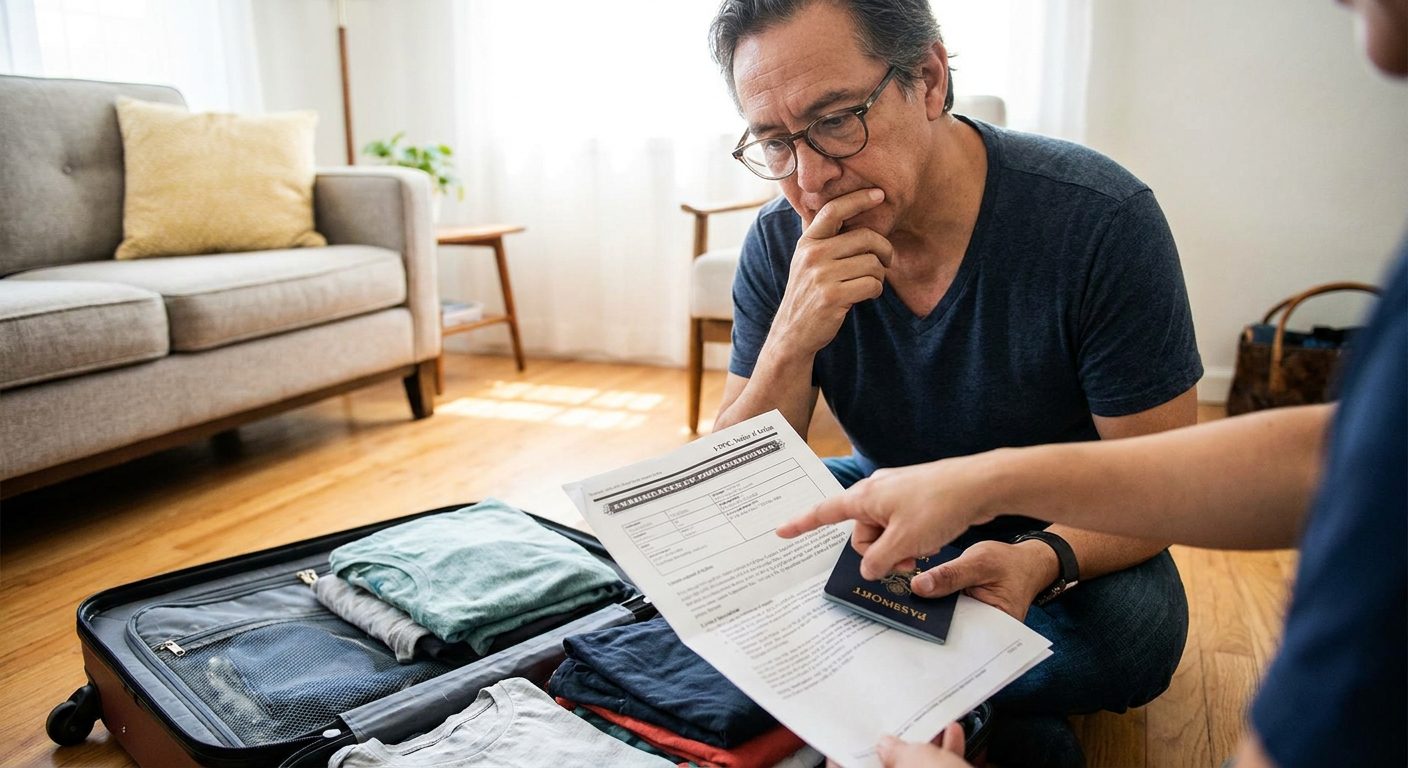
An original I-797 receipt notice held by a resident preparing for international air travel.

Service center variables affecting Green Card renewal processing time

While the total wait for the plastic card varies, your legal status stays secure once you know the green card renewal steps and file on time. I-90 processing time depends heavily on the specific service center assigned to your case. Most cases we handle move through the Potomac or Nebraska service centers, where timelines fluctuate with application volume.

A case status showing “actively being reviewed” means USCIS has your file in the queue. For the most current I-90 processing time estimate, check the official USCIS processing times tool using your service center and receipt date, since it shifts with case volume.

If your case is taking longer than expected, our tips to avoid green card delays cover extra steps you can take. This wait is also separate from the green card backlog tied to priority dates, since that only affects new applicants, not renewals.

How the 36-month extension protects you while your card is pending

This extension ensures your right to work and travel remains intact despite the wait for a physical card. Once USCIS accepts your Form I-90, they issue a Form I-797 receipt notice that serves as your temporary proof of status.
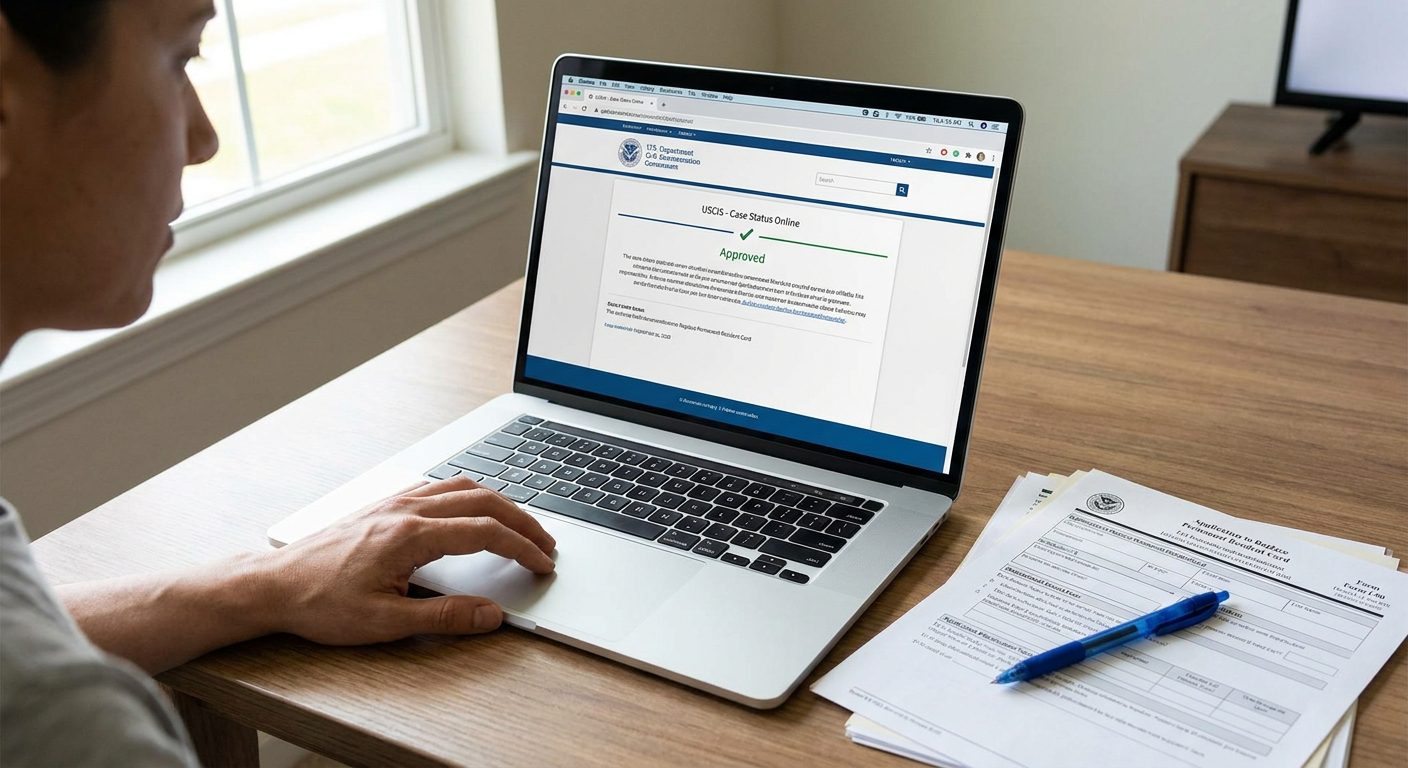
Reviewing the USCIS website case status for an actively reviewed Form I-90 renewal application.

Validity of the receipt notice

The receipt notice extends the validity of your permanent resident card for 36 months from the expiration date printed on the front of your card. You do not need to apply for a separate extension permit because the process is automatic.

We recommend keeping the original paper notice in a safe place, as you must present it alongside your expired physical card to prove your status. If the 36-month window is not enough or if you lose your receipt, there is a secondary option.

Proving your status for travel and employment

You must carry specific documents to satisfy I-9 requirements or board an international flight. This matters most when planning international travel, where having the right paperwork ready can prevent delays at the border or with your employer.

  • File your Form I-90 once your card has expired or is within six months of expiring, so your receipt notice reaches you before you are left without documentation.
  • Present the combination of your expired 10-year card and the I-797 receipt notice for I-9 employment verification or international re-entry.
  • Request an ADIT stamp, also known as an I-551 stamp, by mail on your I-94 or at a local USCIS field office if your receipt notice is lost or your 36-month extension is approaching its end, valid for up to a year at USCIS discretion.

The boarding risk sits at the airline counter, not the U.S. border: the rules for traveling with an expired green card and Form I-797 vary by carrier, and some agents may still deny boarding even when both documents match.

Sometimes, the smartest way to handle a renewal is to stop renewing altogether. For long-term residents, transitioning to citizenship removes the need to track processing times or carry extension notices every decade.

Naturalization as an alternative to the renewal cycle
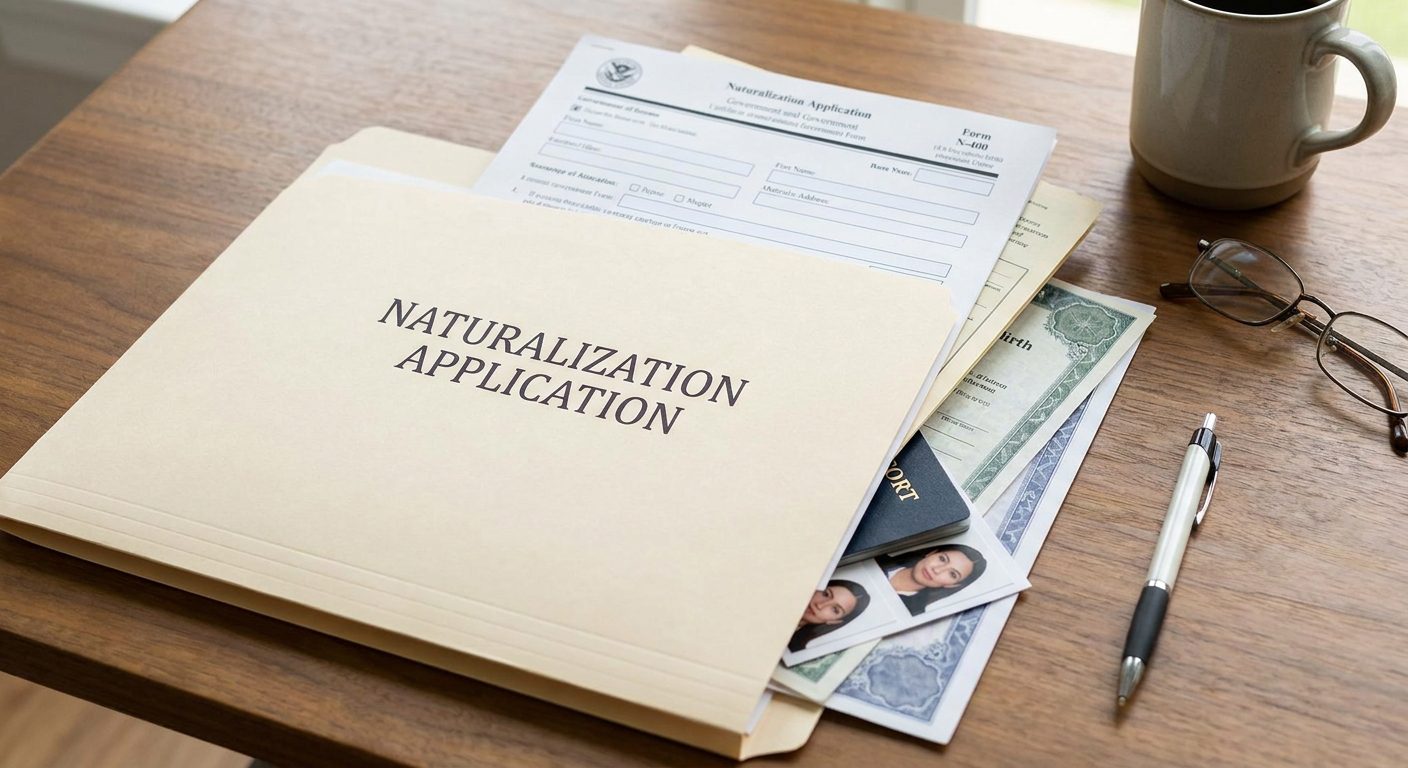
On a desk, the Form N-400 naturalization application serving as a permanent citizenship solution.

Considering the ongoing renewal cycle, many long-term residents look at more permanent options. Filing for naturalization with Form N-400 lets you move toward citizenship while your current card is expiring. Our attorneys specializing in citizenship often assist clients who choose this path to avoid renewing a green card every ten years.

The most common confusion is assuming you must wait for your new card before applying for other benefits. Naturalization can make the 10-year renewal cycle irrelevant.

That said, mistakes in either process carry consequences: errors on Form I-90 or a missed biometrics appointment can stall your case and sometimes trigger a USCIS request for evidence. We recommend a professional review of your filing to avoid these delays.

If you are unsure about whether your specific travel dates are safe, if your employer is refusing to accept your 36-month extension notice, or if you should file for citizenship instead of a renewal, contact our team and we will look at it with you.

We can review your receipt notice and help you prepare for international travel or I-9 verification without delay.

Frequently asked questions about green card renewal time

Can I still board a plane if my green card is already expired?

You typically can travel internationally by presenting your expired 10-year Permanent Resident Card alongside the original I-797 receipt notice. Major airlines generally recognize this combination as valid proof of status. However, check with your specific carrier before departure, as individual airline policies or destination country entry requirements may require additional documentation like an ADIT stamp.

What happens if the 36-month extension ends before my card arrives?

If your renewal remains pending as the 36-month window approaches its end, you can request an ADIT stamp, also called an I-551 stamp. In many cases USCIS can mail it directly on your I-94, and in-person appointments at a local field office remain available too. This stamp serves as temporary proof of your lawful permanent resident status for up to a year, at USCIS discretion.

Does my employer need to re-verify my status if my card expires?

Employers must complete Form I-9 re-verification when a temporary proof of status expires, but the rules for 10-year cards are specific. If you provide an expired card and a 36-month extension notice, you are usually authorized to work until that extension ends. Providing these documents together satisfies the legal requirement to show you maintain a valid right to work.

Can I apply for citizenship while my green card renewal is pending?

You do not have to wait for your new physical card to arrive before filing Form N-400 for naturalization. In many cases, having a pending I-90 does not prevent you from starting the citizenship process. A specialist can help determine if your specific situation allows you to bypass the renewal wait and move directly toward becoming a U.S. citizen.

Do I have to attend another biometrics appointment for every renewal?

USCIS often requires a biometrics appointment to capture your updated photo, fingerprints, and signature for the new card. While the agency sometimes reuses previous biometric data to speed up the process, you should expect a notice appearing in your online account or mail. Missing this appointment typically results in the denial of your renewal application and further delays.

What should I do if my address changes while waiting for my card?

You are legally required to notify USCIS within 10 days of moving by filing Form AR-11 online. Updating your address ensures your new physical card is not mailed to your old residence, which often leads to lost documents and expensive replacement fees. A specialist can verify that your change of address was successfully linked to your pending I-90.

K1 Visa Adjustment of Status After 90 Days Once You Marry

7 minute read

Missing the 90-day window to marry your K-1 petitioner is stressful, but it does not automatically end your path to a green card. A K-1 visa adjustment of status after 90 days is still possible if you marry the same petitioner, though the process changes.

A K1 visa adjustment of status after 90 days raises legal questions beyond the missed deadline. Our K1 visa attorneys can review the admission record, marriage date, petitioner, prior filings, and travel history to identify which options may fit the individual case.

Your legal status and K-1 visa adjustment of status after 90 days

A late marriage to the same petitioner may still support an individually evaluated adjustment path, but it no longer rests on the standard K-1 basis. The admission generally lasts 90 days and cannot be extended. Couples researching K1 visa processing time should treat that earlier consular process as separate from what happens after entry.

A couple reviewing joint lease agreements and insurance policies for their family-based green card petition.

The standard K-1 adjustment route requires marriage to the US citizen petitioner within those 90 days. That condition appears in the current USCIS eligibility guidance. A wedding after the deadline requires a different analysis, even when the couple still marries each other.

Once the I-94 period ends, the K-1 entrant is generally out of nonimmigrant status. Unlawful presence also generally begins after that period, but exceptions and other authorized periods can affect the calculation.

A properly filed I-485 may stop the accumulation of unlawful presence while it is pending for purposes of a possible INA 212(a)(9)(B) bar. It does not, by itself, grant lawful immigration status. Filing also does not erase days that may have accrued before USCIS received the application.

Why a late marriage changes the filing basis

When a K-1 entrant marries the original petitioner within 90 days, the K-1 admission can support the standard adjustment route. A marriage on day 91 or later falls outside that standard basis.

In some late-marriage cases, a new Form I-130 filed by the same US citizen petitioner may provide a family relationship that USCIS can evaluate. Whether that petition and an I-485 may be filed together, or whether adjustment is available at all, depends on eligibility, procedural posture, and the complete immigration history.

The general adjustment of status after marriage process covers forms, sequence, and supporting documents when a valid family-based route exists. This page addresses the narrower question of how a wedding after the K-1 deadline changes the legal basis USCIS must evaluate.

The later USCIS review is also distinct from the K1 visa interview completed during the consular process. That earlier interview addressed the visa application. A later family petition or adjustment filing asks USCIS to evaluate the eligibility shown in the new record.

A later USCIS interview examines the new family petition or adjustment record rather than the prior visa application. Preparing for possible marriage Green Card interview questions therefore requires evidence and answers tied to the post-entry marriage record.

Assembling a legal folder with affidavits and evidence to support a late marriage filing.

Risks after the K-1 admission period ends

After the I-94 expires, several issues may affect the case. A pending application neither restores K-1 status nor eliminates every immigration consequence. The risks should be considered separately:

  • Unlawful presence: It generally begins after the authorized admission period ends, unless an exception or another authorized period applies. A careful calculation matters because a later departure can raise separate admissibility questions.
  • Employment: K-1 employment authorization based on that admission is limited to the 90-day admission period. Any later authorization depends on a valid basis and application, so a person should not assume that marriage or filing alone permits work.
  • Travel: Departing while an I-485 is pending without Advance Parole generally abandons that application. Possible unlawful-presence bars are a separate issue and depend on the amount of time accrued and any applicable exceptions.
  • Removal proceedings: A pending benefit request does not itself prevent USCIS from issuing a Notice to Appear when the person is removable. The result depends on the record and applicable policy.

The February 2025 policy memorandum describes the current NTA framework, but it does not predict what will happen in an individual case.

Work authorization and identification are different issues. The decision about a K1 visa SSN before or after marriage does not establish employment authorization or create a filing basis after the K-1 admission period.

These issues make the sequence of events important: admission, I-94 expiration, marriage, filings, work, and any departure should be documented accurately. Filing quickly is not a substitute for confirming that the forms rely on a legally available basis.

Evidence that explains the marriage timeline

USCIS may examine both the bona fides of the marriage and eligibility. The record should explain the actual timeline without exaggeration or a manufactured narrative.

Useful evidence varies by household. The goal is to show a real shared life and, when relevant, provide truthful context for the wedding date. Examples can include:

  • Shared residence: A lease, mortgage, utility records, or correspondence showing that the spouses live at the same address.
  • Combined finances: Joint bank activity, insurance coverage, beneficiary designations, or tax records that reflect the couple’s circumstances.
  • Relationship history: Travel records, messages, photographs, and evidence of time spent with each other’s families before and after the wedding.
  • Timeline context: Records that accurately document a medical issue, venue problem, family event, or another circumstance that affected the wedding date.

No fixed order or single document guarantees approval. Evidence of a shared life can support the record, but it does not prove that the person qualifies to adjust status through a particular legal basis.

If adjustment is approved before the couple’s second wedding anniversary, the result may be a conditional Green Card. That later status question does not determine whether the late filing is eligible.

Joint financial records and a marriage certificate prepared for a concurrent I-130 and I-485 filing.

A denial may come without an RFE or NOID

USCIS may deny a benefit request without first issuing a Request for Evidence or Notice of Intent to Deny when required initial evidence is missing or the filing does not establish eligibility. The August 2026 evidence standard reinforces that possibility.

Couples should not rely on USCIS to request missing material. The filing should identify the asserted legal basis, address the late marriage, and include the evidence required for the forms submitted.

What happens after an I-485 denial depends on the stated grounds, procedural history, and the person’s current circumstances. That analysis is separate from deciding whether a late-marriage filing has a valid basis in the first place.

Review a late K-1 marriage before filing

For a K1 visa adjustment of status after 90 days, we review the full sequence rather than assuming that one form solves every case. We assess the K-1 admission, I-94, petitioner, marriage date, prior applications, employment, travel, and family circumstances, then explain which basis may be available and which risks need individualized legal analysis.

Frequently asked questions about late K-1 marriages

Will immigration come to my house if we miss the 90 day window?

Missing the deadline can leave the K-1 entrant out of status after the I-94 period ends. A pending request does not grant lawful status.

It also does not prevent a Notice to Appear. No one can predict a home visit or other enforcement action from the deadline alone.

Can I still complete a k1 visa adjustment of status after 90 days if I marry someone else?

Generally, no. The K-1 adjustment restriction ties that route to the US citizen who filed the original petition, not a later spouse.

Another path may require a different process, and departure can have consequences if unlawful presence accrued. The complete history requires individual review.

Can I visit my family abroad while waiting for my late filing to be processed?

Leaving the United States while an I-485 is pending without Advance Parole generally abandons the application. Advance Parole does not resolve every admissibility issue.

Possible unlawful-presence bars require a separate calculation, including any exceptions. Both issues should be reviewed before a person departs.

What happens to my children on K-2 visas if our wedding was late?

The standard K-2 adjustment route depends on the qualifying K-1 marriage occurring within 90 days. A late wedding changes the analysis for each child.

A possible stepchild petition depends on individual facts, including whether the marriage created that relationship before age 18. Not every K-2 has the same solution.

How long will I be unable to work if we miss the marriage deadline?

K-1 employment authorization is limited to the 90-day admission period. Marriage after that period does not authorize continued employment by itself.

Later authorization depends on a valid basis and application. Timing varies, so there is no reliable universal number of months for the gap.

Does a late marriage make the green card interview more difficult?

No automatic rule makes every late-marriage interview harder. USCIS may examine the timeline, claimed legal basis, and bona fides shown by the record.

Clear, consistent answers and accurate shared-life documents can help USCIS evaluate the case. They do not guarantee approval or establish eligibility alone.

Do we have to pay extra fees if we marry after the 90 day deadline?

A late marriage can change the filing basis and may require forms outside the standard K-1 adjustment route. Charges depend on the forms required.

USCIS requirements and fee rules can change. Confirm current form editions, filing requirements, and applicable charges when submitting the case.

I-751 Interview Prep, the Stokes Test and USCIS Waivers

4 minute read

An I-751 interview is a meeting where a USCIS officer reviews the last two years of your marriage to confirm it was not entered into solely for immigration benefits. USCIS can waive it when your filing already shows sufficient evidence of a bona fide marriage.

Since you must typically file within the 90-day period before your conditional green card expires, many couples turn to marriage immigration attorneys to build a thorough petition from the start. Knowing why you were called in helps you prepare your testimony.

How this interview differs from your first green card meeting

Your first interview focused on the validity of your union when you completed adjustment of status after marriage, but this meeting looks at a different timeline. That process examined your wedding and early engagement, while this interview shifts the focus to how you have lived together since becoming a conditional resident.

A physical photo album showing social events is held by a couple awaiting marriage review.

The officer is looking for a paper trail that covers the entire 24-month conditional period to confirm the relationship did not dissolve once the initial benefit was received. This is different from the marriage green card interview, which focuses on whether the relationship was genuine at the start rather than how it has held up over time.

We often see that officers focus less on how you met and more on how you have managed finances and household responsibilities during the two years of conditional residence. Proof of cohabitation is scrutinized more closely than during the adjustment of status stage, since you have had two years to build a shared residence and financial life together.

Most cases we handle involve proving that your lives are now fully integrated, not just beginning. Because the officer’s focus is on the recent past, the evidence you bring must be current and reflect your day-to-day life together, not just the early days of your relationship.

What you should bring to the USCIS office

Bringing the right documents allows you to provide physical proof for every answer you give the officer. We can help you determine which documents carry the most weight for your specific situation. Both spouses must typically bring their passports, state IDs, and the conditional green card to the appointment.

  • Marriage certificate
  • Joint tax returns for the last two years showing both names and the same address
  • Joint bank statements from the entire conditional period showing active monthly transactions
  • Birth certificates for any children born during the conditional period
  • Copies of joint lease agreements or home mortgage documents
  • Utility bills, insurance policies, and investment accounts in both names

If you bring photographs, choose images that show you with other people and in different locations over time. Officers find photos of you with your spouse’s family or at various social functions more persuasive than a series of private selfies. Beyond the paperwork, you must also be prepared to answer personal questions about your daily routines.

Organizing joint lease agreements and mortgage documents with exhibit tabs for a residency petition.

Common questions about your life together over the last two years

The officer uses these questions to see if your verbal answers match the documents you provided. Rather than asking about your first date, they will conduct the I-751 interview to see how well you know each other’s current habits and work-life balance.

Financial responsibilities

The officer may ask who is responsible for paying specific bills each month or how you manage your joint savings. They might ask about the last major purchase for the home or which spouse handles the grocery shopping. Inconsistent answers about the rent or the monthly car payment can trigger deeper questioning.

Daily household routines

Questions in this category often target your spouse’s current employment and work schedule. You might be asked what time your spouse leaves for work, which side of the bed they sleep on, or who handles chores like taking out the trash. These details help verify that you actually live together every day.

On a kitchen counter, the official USCIS appointment notice for a marriage-based residency interview.

Social and family events

Inquiries about recent celebrations, holidays, or vacations are common. The officer might ask what you did for your last birthday or how you spent the most recent holiday. They are looking for a shared social life that extends beyond your home. In most cases you will be questioned together, though the officer may sometimes separate you.

What happens if the officer separates you for a Stokes interview

While most interviews are joint, you should know the process in case the officer needs to verify your testimony individually. If the officer finds major inconsistencies in your documents or answers, you might be moved into a Stokes I-751 interview. Spouses are then taken to different rooms and asked the same detailed questions in isolation.

The officer compares the transcripts of these two separate sessions to find discrepancies. Common Stokes topics include the color of the curtains in your bedroom, what you both ate for breakfast that morning, or the layout of your home and the contents of your closets.

These questions are intended to uncover whether the couple is actually living together. Preparation and honesty are the most effective ways to handle a separation if it occurs.

Reasons USCIS might waive the interview requirement

If you have not yet received an interview notice, you may be wondering how long the I-751 process takes or whether you will need to attend one at all. A waiver is the goal for most applicants. Under current USCIS policy, waivers are available when the filing shows sufficient evidence of a bona fide marriage with no sign of fraud.

Waivers are more likely when a couple has children together, and we review your evidence to help determine if it meets that threshold. A waiver is never guaranteed: complex cases, such as a divorce waiver or gaps in joint financial documents, are more often scheduled for an interview. Either way, the quality of your evidence is the deciding factor.

If you are unsure about how to organize your evidence from the last two years, how to address inconsistencies in your joint documents, or what to do if you have already received a notice for a Stokes interview, contact our team.

We regularly help clients prepare for these interviews, and we will look closely at your case with you before the appointment.

Frequently asked questions about the I-751 interview

What happens if my spouse and I give different answers to the officer?

Minor discrepancies, such as the exact time a spouse leaves for work, are common and typically do not lead to a denial. However, significant contradictions regarding household finances or living arrangements may cause the officer to transition the meeting into a Stokes interview. Consistency between your testimony and the documents you provided is a primary factor in the decision.

Can I travel abroad while waiting for my I-751 interview?

You can generally travel while your petition is pending, even if an interview is scheduled. Your expired green card, combined with the original I-797 receipt notice, serves as proof of your status and usually allows for re-entry into the United States. It is important to ensure you return in time for the scheduled appointment to avoid a case abandonment.

What if we do not have joint bank accounts or utility bills in both names?

While joint financial accounts are preferred, their absence is not an automatic cause for denial. You can provide alternative evidence of a shared life, such as being listed as each other’s emergency contacts, sworn affidavits from friends, or proof of shared insurance policies. A legal representative can help identify which secondary documents best support the validity of your marriage.

Is it necessary to hire an interpreter for the I-751 interview?

If you or your spouse are not comfortable communicating in English, you typically must provide your own interpreter. This individual generally cannot be your attorney or a witness in the case. The officer must be satisfied that the interpreter is competent to translate accurately so that your testimony regarding your shared life is recorded correctly during the interview process.

What should I do if my conditional green card expires before the interview date?

The expiration of the physical card does not mean your legal status has ended as long as you filed the petition on time. The receipt notice you received after filing Form I-751 automatically extends your status while the case is being processed. You should carry this extension letter alongside your expired card to the interview to confirm your authorization.

When Can You Apply for Citizenship After Your Green Card?

4 minute read

Reaching your green card anniversary feels like a finish line, but citizenship has its own clock. If you are asking yourself after green card when can I apply for citizenship, the short answer is five years for most residents, or three years if you are married to a US citizen.

Meeting the basic year count is only part of the equation. USCIS also reviews your physical presence and travel history before approving your naturalization application. If your timeline feels uncertain, our citizenship lawyers can help confirm which residency rule applies to your situation, five years or three.

The five-year rule for most permanent residents

For most permanent residents, naturalization follows a standard five-year timeline. The clock does not start when you first entered the country on a visa, or even when USCIS received your application. It starts on the specific “Resident Since” date printed on your card.

Applicants often confuse that milestone date with the card’s issuance or expiration date, a mix-up we cover in more detail in our permanent resident guide.

If your own starting point feels unclear, our permanent residence attorneys can confirm you are counting from the correct date. This five-year continuous residence requirement simply means the United States has stayed your primary home, without an extended move abroad. While five years is the standard, certain family situations allow for a significantly shorter wait.

The three-year exception for spouses of US citizens

You may be eligible to apply two years sooner if your permanent residence is based on marriage to a US citizen. Whether you qualify under this three-year rule depends mainly on your spouse’s citizenship timeline and the stability of your marriage.

Marriage to a US citizen

To use the three-year rule, you must have held permanent residence for three years while living in marital union with your US citizen spouse for that same period, and your spouse must have held citizenship the entire time. Our marriage-based immigration attorneys can review your documentation to confirm you meet the joint residence criteria.

VAWA self-petitioners

A woman reviewing her VAWA approval notice to determine her three-year naturalization eligibility.

The three-year eligibility also extends to applicants who obtained their green card because of battery or extreme cruelty by a US citizen spouse or parent. For these cases, the three-year rule still applies even if the marriage later ended through divorce, or if the abuser has passed away.

We help VAWA survivors understand how their case history interacts with the naturalization timeline. Once you know whether you fall under the three-year or five-year track, the next question is exactly when you can file.

The 90-day window to file early

The 90-day early filing date circled on a calendar for a USCIS naturalization application.

You do not have to wait until the exact anniversary of your green card to submit your paperwork. USCIS lets you file Form N-400 up to 90 days before you reach your five-year or three-year milestone, as long as you have already met the physical presence requirement.

In practice, this means you can typically file about four years and nine months after becoming a permanent resident under the five-year track, or about two years and nine months under the three-year track. Filing within this window only affects when USCIS can accept your application, not how long naturalization takes once it is filed.

This window is calculated in exact days, not calendar months. Filing on day 91 before your anniversary, one day too early, results in an automatic denial and the loss of your filing fee. We recommend using the USCIS early filing calculator to confirm your exact mailing date. Filing early does not replace the physical presence requirement.

How travel abroad can reset your timeline

On a desk, an open passport with stamps showing travel history for USCIS continuous residence.

Even after you have held your card for the required years, extensive travel can delay your eligibility. Trips outside the United States affect two separate counts: how many days you have physically spent in the US, and whether your continuous residence stays intact. The table below shows the physical presence you need before filing.

If columns extend beyond the view, swipe the table horizontally or focus it and use the arrow keys.

Residency Track Continuous Residence Physical Presence Required
5-Year Rule 5 Years 30 months (913 days)
3-Year Rule 3 Years 18 months (548 days)

Trips longer than six months typically create a presumption that you broke your continuous residence, and you would need to show you did not intend to abandon your home in the US. Trips over one year generally reset the clock entirely, one of the risks we cover in our green card abandonment guide.

If your travel or residency history is complicated, filing at the wrong time can create problems well beyond a simple delay.

What happens if you file too early

Filing on time matters because USCIS will not hold your file until you become eligible. If you submit even one day before the 90-day window opens, or before you meet the physical presence requirement, USCIS will typically deny the application outright, sometimes only catching the issue at your citizenship interview.

A denial for premature filing also means losing your non-refundable filing fee, so you would have to start over and pay again once you are actually eligible. You can check the current N-400 filing fee directly on the official USCIS form page before you file, since it can change over time.

A denial like this does not cancel your green card by itself. USCIS treats what happens to your green card if your citizenship is denied as a separate question, resolved case by case rather than as an automatic trigger for removal proceedings.

Meeting these timing rules is only the first requirement. Once your dates line up, USCIS still reviews the rest of your case, from good moral character to English and civics, which we cover in our naturalization process guide.

Eligibility timing raises real questions of its own, like whether a long trip abroad affected your continuous residence, how to calculate your 90-day filing window exactly, or whether you qualify under the three-year rule after a divorce or a VAWA case.

Contact our team, and we will review your travel history and “Resident Since” date with you before you file, so you do not risk your filing fee on a premature application.

Frequently asked questions about citizenship timelines

What happens to the 3-year citizenship timeline if I get divorced before filing?

Generally, the 3-year rule requires you to be living in marital union with your US citizen spouse until the time of naturalization. If you divorce before filing the N-400 or while it is pending, you typically lose eligibility for the shorter window. In most cases, you would then need to wait for the standard 5-year mark.

Can I apply in 3 years if my spouse just became a US citizen last month?

Not usually. The rule requires your spouse to have been a US citizen for the entire three-year period preceding your application. If your spouse naturalized recently, you must wait until they have held citizenship for at least three years, provided you have also been a permanent resident for that same amount of time.

Is it possible to apply for citizenship if my physical green card has already expired?

You may typically file Form N-400 with an expired card, as your status as a permanent resident does not expire just because the document does. However, having a valid card is often necessary for travel or employment verification. It is generally advisable to renew the document or seek legal guidance to ensure no other status issues exist.

Am I allowed to travel outside the US after I have submitted my citizenship application?

You can generally travel abroad while your application is pending, but you must still maintain your continuous residence and physical presence until the day you take the Oath of Allegiance. If a trip causes you to fall below the required number of days in the country, USCIS might deny your application at the interview stage.

Does the 90-day early filing rule also apply to the physical presence requirement?

No. The 90-day early filing provision only applies to the continuous residence requirement. You must have already completed the full 30 months (or 18 months for spouses) of physical presence in the United States before you mail your application. Filing early when you are short on physical presence days often leads to an automatic denial.

I-485 Denied and What to Do Next After a USCIS Decision

I-485 denied? Read the denial notice before filing anything else. The stated reason, deadline, appeal rights, current status, and whether USCIS or an immigration judge has jurisdiction determine whether a motion, new filing, or court strategy may fit.

Our green card immigration attorneys can review the notice and the record with you, then explain the available path without assuming that one option works for every case.

I-485 denied, what should you do first?

For an I-485 denied after USCIS requested evidence, compare the written notice with the response, delivery record, and filing history before choosing a next step.

Read every page of the notice and identify five items: the decision date, filing deadline, stated denial ground, review rights, and office with jurisdiction. Also confirm whether USCIS decided an underlying petition and whether removal proceedings already exist.

Do not choose a motion or a new filing only because one sounds faster. The notice controls the review path, while current immigration status and any Notice to Appear affect what can happen next.

Applicant reviewing an I-485 denial notice beside an employment authorization card.

Check whether the denial is procedural or substantive

For a denial tied to a missed deadline, interview, or response, verify the event against the notice, account history, and delivery records.

A missed interview, an unanswered USCIS request for evidence, or a response sent to the wrong place may lead to an abandonment finding. Compare the notice with delivery records, the USCIS account, and a complete copy of the filing.

USCIS may deny a benefit request without first issuing an RFE or Notice of Intent to Deny in some circumstances. The denial notice should identify the evidence or eligibility requirement that USCIS found missing.

If the record shows that USCIS overlooked a timely response or applied the wrong rule, review may focus on agency error. If required proof was absent, the question becomes whether reopening or a new, otherwise eligible filing can supply it.

Identify eligibility and inadmissibility barriers

If a visa number was unavailable or an underlying petition was invalid, refiling the same packet will not correct that barrier.

The notice may rely on a denied or revoked petition, lack of visa availability, an adjustment bar, or a ground of inadmissibility. Criminal history requires a record-specific review, as explained in our guide on whether an arrest can affect a green card case.

Refiling the same packet does not cure an unresolved legal barrier. Some inadmissibility findings may have a waiver path, but eligibility is ground-specific and must be assessed before using an I-601 waiver or submitting another I-485.

Compare a motion, appeal, and new filing

For an I-485 denied because USCIS overlooked a timely submission or applied the wrong rule, review of agency error may fit better than simply refiling.

The denial notice should say whether Form I-290B is available, where to file, and when USCIS must receive it. USCIS states that most eligible motions or appeals are due within 30 calendar days of service, or 33 days when the decision was mailed, but the notice and current Form I-290B instructions control.

  • Motion to reopen: states new facts and supports them with affidavits or documentary evidence.
  • Motion to reconsider: argues that the decision incorrectly applied law or USCIS policy based on the record that existed when USCIS decided the case.
  • Appeal: asks an authorized appellate body to review a decision, but only when the notice and governing rules provide that right.
  • New I-485: starts a separate case and requires current eligibility, the correct filing location, forms, evidence, and fees.

A USCIS denial of Form I-485 generally is not appealable to the AAO or BIA. That is different from seeking adjustment before an immigration judge when the court has jurisdiction, and from appealing a separately denied family petition. EOIR lists DHS I-485 denials outside the BIA’s direct jurisdiction in its jurisdiction guidance.

Under 8 CFR 103.5, filing a motion or a later application does not automatically stay the decision or extend a departure date. The office or court that has jurisdiction must be identified before filing.

If columns extend beyond the view, swipe the table horizontally or focus it and use the arrow keys.

Factor Motion to Reopen or Reconsider New Form I-485
Potential fit New supported facts for reopening, or legal or policy error on the existing record for reconsideration. A curable problem when the applicant remains eligible to adjust and files in the correct jurisdiction.
Timing The denial notice and current I-290B rules set the filing deadline. No I-290B deadline, but status, visa availability, court jurisdiction, and enforcement risk may make delay consequential.
Record Reopening needs documented new facts; reconsideration relies on the record at the time of decision. A complete new package must address the prior denial and meet current filing requirements.
Protection Filing does not automatically stay the decision or restore an ancillary benefit. Filing does not erase the prior decision or guarantee protection from removal.

A motion may fit an agency error or properly supported new facts. A new filing may fit a correctable evidence problem when eligibility continues. If the notice identifies inadmissibility, a denied petition, a statutory bar, or immigration court jurisdiction, address that issue first. Current green card delays are only one practical factor.

When a new filing may be possible

An I-485 denied for a correctable evidence problem may support a new filing only if eligibility continues and the new package addresses the reason in the notice.

A new filing may be an option when the denial concerns evidence that can be corrected and the applicant remains eligible to adjust status. It is not an appeal, does not erase findings in the first decision, and must be filed with the agency or court that has jurisdiction.

Organizing a new I-485 filing with updated supporting records.

When refiling may not solve the problem

Another I-485 form may fail for the same reason if the underlying petition is no longer valid, a visa is unavailable, an adjustment bar applies, or an inadmissibility finding remains unresolved. A person in removal proceedings must also determine whether USCIS or the immigration court controls the application.

Costs and timing of a new filing

USCIS generally does not refund a denied filing fee, and a new filing requires the fees and form editions in effect when submitted. It is not necessarily faster than a motion. If an interview is likely, review the record and these green card interview tips before filing.

What to review before submitting anything

Build the next step from the notice and the record, not from a generic checklist. Preserve the complete filing, envelopes, delivery confirmations, online account messages, interview notices, and every response sent to USCIS.

  • Record the decision date, date of service, stated deadline, filing address, and whether the notice permits a motion or appeal.
  • Identify each form or petition USCIS denied, approved, left pending, or revoked.
  • Check current status, entries, departures, employment history, and any Notice to Appear or immigration court case.
  • Match each denial ground to the evidence already submitted and any new evidence now available.
  • For a new filing, use current form editions, fees, filing location, and medical examination rules. USCIS guidance issued June 11, 2025 generally requires a new I-693 after the associated benefit request is denied.

Marriage-based applicants should update relationship evidence only when it answers the notice and current eligibility requirements. The broader filing framework is covered in our adjustment of status after marriage guide.

Continue monitoring your USCIS case status, but do not use the online status as a substitute for the written decision or an immigration court notice.

How denial can affect status, work, travel, and removal risk

An I-485 denied while it supported work or travel benefits requires a separate review of each document and status before working, traveling, or choosing another filing.

An I-485 denial is not itself a removal order. Its effect depends on the person’s status, parole, admission history, other pending benefits, and whether the period of authorized stay rested only on the I-485. Review status and unlawful presence separately.

Work authorization and travel documents

Do not assume an EAD or Advance Parole document remains usable after denial. Check the document category, expiration date, denial language, and any independent basis for work or travel authorization. Filing a motion does not by itself reinstate or extend an ancillary benefit.

USCIS case status page beside immigration notices and case records.

Unlawful presence and a Notice to Appear

Unlawful presence does not begin on one universal date after every denial. The calculation depends on age, admission or parole, status history, protected periods, and statutory exceptions. Departing the United States can create separate consequences, so obtain a case-specific calculation before travel.

Under the 2025 USCIS NTA policy memorandum, an unfavorable benefit decision can lead to a Notice to Appear when the person is removable and no longer lawfully present, subject to governing law and policy. An NTA begins removal proceedings; the I-485 denial alone does not.

If you are deciding among a motion, appeal, new filing, or a strategy in immigration court, our team can review the denial notice, status history, and jurisdiction with you. No filing should be presented as guaranteed protection from enforcement or approval.

Frequently asked questions about I-485 denials

Can I keep using my work permit after receiving a denial notice?

Do not assume that an EAD based on a pending I-485 remains usable. Check the card category, expiration date, denial notice, and any separate basis for employment authorization. A motion does not automatically restore or extend work authorization.

Do I have to pay the filing fees again if I submit a new application?

USCIS generally does not refund a fee after it accepts and adjudicates a filing. A new I-485 normally requires the fees in effect on the new filing date, unless a fee exemption or waiver applies. Paying again does not make refiling the correct option.

What happens if I miss the I-290B deadline?

Read the notice immediately. USCIS may excuse a late motion to reopen when the delay was reasonable and beyond the applicant’s control, but that exception is discretionary and does not apply the same way to reconsideration. A new I-485 is possible only if eligibility and jurisdiction permit it.

Can I stay in the United States while my motion is pending?

A motion does not automatically grant lawful status or halt enforcement. It also does not suspend the underlying decision or prolong a required departure period. Whether someone may remain depends on status, authorized stay, removal proceedings, and the effect of the denial.

Is an I-485 denial the same as a deportation order?

No. The denial is not a removal order. USCIS may issue a Notice to Appear when the legal and policy requirements are met. Removal proceedings begin when DHS files the NTA with the immigration court, and an immigration judge decides removability and any relief within the court’s jurisdiction.

Does a denial affect my underlying I-130 petition approval?

An I-485 denial does not by itself revoke every approved I-130. Check whether the decision also denied, revoked, or questioned the petition and whether it remains a valid basis for adjustment. A valid petition alone does not establish visa availability, admissibility, or eligibility to refile.

Abandonment of Green Card and How to Protect Your Status

5 minute read

If you have spent months outside the United States, you may wonder whether that trip put your status at risk. Abandonment of green card status is not about a strict day count. It depends on whether USCIS believes you still intend to live here permanently.

Absences of more than six months can trigger extra questioning at the border, and a full year abroad creates a strong presumption of abandonment. Our green card immigration attorneys help residents document their ties and protect their status during international travel.

Understanding the timeframes that trigger abandonment of green card risk

Time is the primary metric the government uses to flag residents for closer inspection. Although Lawful Permanent Residents (LPRs) are generally free to travel, maintaining your permanent resident status abroad depends on more than the calendar. The risk of losing your status begins to climb once you cross the six-month mark.

A U.S. driver license and utility bills held by an LPR documenting strong domestic ties.

The six-month threshold

Absences of more than 180 days but less than one year put you at risk of being questioned by border agents. When you spend more than six months outside the country, you are no longer treated as seeking a routine entry.

Instead, you are treated as an applicant for admission. This allows Customs and Border Protection (CBP) to question you about your ties to the United States and whether you have maintained a permanent residence. If you cannot satisfy their questions, they may initiate the process to revoke your status.

The one-year mark

If you stay outside the United States for one year or more, your green card is generally no longer valid for re-entry on its own. At this point, the government assumes you have abandoned your residency.

To return, you would typically need a re-entry permit that was applied for before you left, or a returning resident visa (SB-1) from a U.S. consulate. Without these, a CBP officer may issue a Form I-862, Notice to Appear (NTA), which places you in removal proceedings.

Once in proceedings, an immigration judge determines if you retain your status. However, the calendar is not the only factor a CBP officer considers at the port of entry when deciding whether to issue an NTA.

What does the government look for regarding the abandonment of green card besides the number of days?

When you arrive at the border after a long absence, the officer is evaluating whether your trip was truly temporary. When assessing the abandonment of green card status, CBP officers use a totality of circumstances test.

They are looking for your actual intent and whether your life is still centered in the United States. We see this confusion most often when clients assume that a quick touch-back flight to the U.S. once a year is enough to keep a green card, but the government looks at your overall life patterns rather than just the calendar.

The factors below often weigh heavily in their decision. We recommend you carry physical proof of these ties in your carry-on luggage to show the officer during inspection:

  • The specific purpose of your departure and whether it had a clear, expected termination date.
  • Whether you have maintained strong family ties within the country. Our family immigration attorneys help clients document their family relationships to show that their primary life remains in the United States.
  • Your employment status and whether your job is based in the United States or if you have accepted permanent work abroad.
  • The location of your primary assets, including your home, bank accounts, and personal property.
  • Whether you have filed your federal income tax returns as a resident rather than as a non-resident.

Organizing a travel folder with Form I-131 and bank statements for border inspection.

How can you prove you still intend to live in the United States?

Evidence of your financial and social presence in the U.S. can rebut the presumption of abandonment. When returning from a long trip, you should have documents ready to show that you never intended to give up your residency.

These items serve as evidence to support your testimony that your stay abroad was temporary. We recommend carrying copies of the following documents in your carry-on luggage:

  • IRS income tax transcripts for the past several years showing you filed as a resident.
  • Recent statements for active U.S. bank accounts and credit cards that show regular activity.
  • A current lease agreement or mortgage statement for a home in the United States.
  • A valid U.S. driver license and current vehicle registration.
  • Utility bills or phone records that show your name and a U.S. address.
  • Evidence of professional memberships or community involvement in the U.S.

In cases where you know an absence will be long, proactive filing is better than reactive evidence. You can request tax transcripts directly from the IRS if you no longer have them, and preparing your documents before you board your flight back to the United States reduces the risk of a confrontation with CBP.

What should you do if you must stay abroad for more than a year?

Planning for a lengthy absence requires formal permission from USCIS to avoid the appearance of abandonment of green card residency. If you know you will be outside the United States for more than one year, you should apply for a re-entry permit using Form I-131. Because the reentry permit processing time runs well over a year, apply early.

This document serves as a formal declaration of your intent to return and provides a legal basis for your absence. It differs from an advance parole document, which instead covers travel while certain applications, such as adjustment of status, remain pending.

The most important requirement for a re-entry permit is that you must be physically present in the United States when you file the application. You must also remain in the country long enough to attend your biometrics appointment, though you can usually leave before the permit is actually issued.

These permits are typically valid for two years from the date of issuance and allow you to re-enter the country without the need for a returning resident visa. If you were abroad more than 4 of the last 5 years, USCIS typically issues it for 1 year instead of 2.

Failing to secure a permit or staying out too long can lead to a difficult choice at the border.

What are the risks of a long absence for your future citizenship?

Even if you successfully re-enter the country, your time abroad may have specific effects on your path to citizenship. It is a common point of confusion to assume that keeping your green card means your naturalization timeline is still intact.

In reality, the standards for maintaining residency and for qualifying for naturalization are different. A finding of abandonment of green card can stop a citizenship case entirely, and even minor absences can cause delays.

Continuous residence versus physical presence

To qualify for citizenship, you must demonstrate both continuous residence and physical presence. Continuous residence means you have maintained the U.S. as your permanent home. An absence of more than six months but less than one year is presumed to break this continuity.

While you can sometimes overcome this presumption by showing you kept your job or home in the U.S., any absence of more than one year will almost always break continuous residence by law. Applicants often work with naturalization and citizenship attorneys to determine if they need to wait longer before filing the N-400 after a long trip.

If your time abroad is tied to qualifying work, such as employment with the U.S. government or an American company doing business overseas, Form N-470 may let you preserve continuous residence for naturalization purposes. It generally must be filed before you have been outside the United States for a full year, and it does not excuse the physical presence requirement.

On a desk, a Form I-862 Notice to Appear rests near an N-400 application.

The four-year and one-day rule

If you stay abroad for more than one year and break your continuous residence, you generally have to wait four years and one day after returning to the U.S. to apply for naturalization.

This timeframe may be shortened to two years and one day if you are applying based on marriage to a U.S. citizen. This is not to be confused with the abandonment of green card status itself, which is a separate legal determination.

If an officer at the border or during a citizenship interview decides you have given up your status, our immigration waivers attorneys can help you evaluate a path back to residency. Protecting your residency requires a clear understanding of both border rules and long-term immigration goals.

If you are unsure whether a past trip broke your residence, need to apply for a re-entry permit before leaving, or were questioned by CBP at your last entry, contact our team and we will review your travel history with you.

Frequently asked questions about abandonment of green card

What happens if I stayed abroad for over a year without a re-entry permit?

If you stay outside the country for over a year without a permit, you will likely face significant scrutiny at the border. A CBP officer may determine your status is no longer valid for entry. In such cases, applying for a returning resident visa at a U.S. consulate before you attempt to travel may be the only way back in.

Can working for a U.S. company abroad protect me from abandonment?

Employment with a U.S. employer while stationed abroad can be strong evidence of your intent to maintain residency. However, a U.S. paycheck does not automatically prevent a finding of abandonment. Documenting that the assignment is temporary, and keeping a primary home and active bank accounts in the country, helps show that intent.

Do green card holders who are minors face the same travel rules?

Minor children are subject to the same residency requirements as adults. If a child stays outside the country for more than six months or a year, their status is at risk. While their intent is often tied to their parents, CBP officers still evaluate whether the child has maintained a permanent residence. Keeping their documentation current helps support their case.

What if a medical emergency prevents me from returning on time?

Unexpected circumstances, such as a serious illness or a family emergency, may help explain a long absence. However, these reasons do not waive the legal thresholds for abandonment. You should gather hospital records or medical certifications to show that your stay was extended involuntarily. This evidence can be presented to CBP or an immigration judge if the absence is questioned.

Does a re-entry permit also protect my citizenship timeline?

A re-entry permit helps you keep your green card, but it does not protect your continuous residence for naturalization purposes. Even with a permit, an absence of more than six months usually disrupts the five-year clock required for citizenship. You may still need to wait several years after returning to the country before you can file your N-400 application.

What should I do if a CBP officer asks me to sign a Form I-407?

Form I-407 is a voluntary abandonment of your residency. If an officer asks you to sign it during secondary inspection, you are not legally required to do so. Signing this form may immediately terminate your status. Instead, you can ask to have your case heard by an immigration judge, which preserves your chance to defend your residency.