9 minutes of estimated reading time
There is no universal script for K1 visa interview questions. A consular officer may ask about your identity, eligibility, immigration history, relationship, U.S. citizen fiancé, and marriage plans, using your petition and supporting records to examine the facts of your case.
We recommend reviewing your filing, organizing the documents listed for your post, and preparing to answer truthfully in your own words. Procedures, security rules, arrival instructions, electronics policies, companions, and interview settings vary by embassy or consulate.
Most common K1 visa interview questions about your relationship
These K1 visa interview questions may test whether the relationship described in the I-129F petition is genuine and whether both partners intend to marry. The officer can choose different questions, so use this bank to review real events, not to memorize a script.

How you met and stayed in touch.
- How and when did you first meet your fiancé?
- Who introduced you, if anyone?
- When did you first meet in person?
- Where have you spent time together in person?
- How often do you communicate when you are apart?
- Which language or languages do you use together?
- When was your most recent visit?
- What did you do during that visit?
Your relationship and engagement.
- When did the relationship become serious?
- How did the proposal happen?
- Who knew about the engagement?
- Have you met each other’s relatives or close friends?
- What do your families think about the marriage?
- How do you handle time differences or periods apart?
- What shared interests or routines are part of your relationship?
- What evidence of your visits and communication did you submit?
Your wedding and life together.
- When and where do you plan to marry?
- Who knows about the wedding plans?
- Where do you expect to live after entering the United States?
- Have you discussed work, finances, children, or other family plans?
- What will change in your daily lives after the marriage?
- Why did you choose a K-1 visa rather than marry abroad?
Review the dates and facts in your petition before the appointment, especially if the case has been pending for a while. For current estimates and the factors that affect the wait, use the separate guide to K1 visa processing time instead of relying on an old estimate.
Questions you must answer about your U.S. citizen fiancé
If the officer asks about your U.S. citizen fiancé, you must answer truthfully. The officer may choose from many topics and may compare your account with the petition, supporting evidence, and other facts in the record.
- What is your fiancé’s full name and date of birth?
- Where does your fiancé live?
- What kind of work does your fiancé do?
- Who lives in your fiancé’s household?
- Have you met your fiancé’s parents, siblings, or children?
- Was your fiancé married before?
- When and how did any prior marriage end?
- Has your fiancé filed a petition for another person before?
- What does your fiancé enjoy doing outside work?
- How do you and your fiancé usually communicate?
- When did you last speak with each other?
- What plans have you made for your first months together?
You do not need a rehearsed answer to every possible detail. If you do not know or remember something, say so truthfully. Do not guess just to make an answer sound complete, and correct a mistake promptly if you notice one.

K1 visa interview questions about you and your immigration history
Questions about you may address identity, prior travel, immigration history, and issues that could affect eligibility. Answer from your own history and documents. A sample bank includes:
- What is your full name, date of birth, and current address?
- What work do you do, and where have you worked before?
- Have you visited the United States before?
- Which visas or immigration benefits have you previously requested?
- Have you ever remained in the United States beyond an authorized stay?
- Have you ever been refused a visa?
- Have you ever been arrested, charged, or convicted?
- Were you married before, and how did that marriage end?
- Do you have children, and what are their plans?
- Have you lived in another country?
- Did anyone help prepare your forms?
- Is any answer in the petition no longer current?
A prior visa refusal, trip, arrest, marriage, or changed address can lead to follow-up questions, but no single fact determines every case. Review how each event was disclosed. If the written filing contains an error, prepare to identify it accurately rather than trying to preserve a mistaken answer.
Documents the consular officer may review
The documents for a K-1 interview come from the Department of State process, the appointment instructions, and any directions issued by the specific post. Start with the official Department of State K-1 document list, then compare it with your embassy or consulate instructions.
- Identity and application records: bring the passport, DS-160 confirmation, photographs, and appointment materials requested for your case.
- Civil documents: bring the applicable birth, marriage termination, police, court, or military records, along with required copies and translations.
- Medical examination: follow the instructions for the approved medical provider and the handling of examination records.
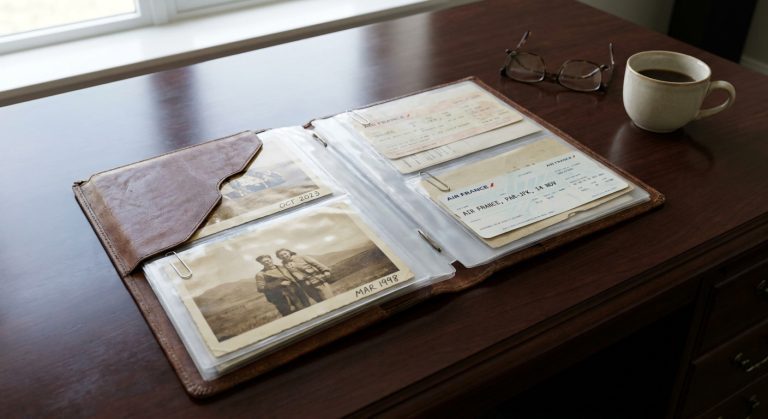
- Relationship evidence: organize the records that support the relationship and plans to marry, particularly updates since the petition was filed.
- Financial support: provide the evidence the post requests. Form I-134 may be requested, but it is not the same as Form I-864, and tax returns or pay stubs should not be treated as a universal package.
- Post-specific items: follow local directions for originals, copies, translations, delivery registration, and any additional documents.
The document review may shape the K1 visa interview questions you receive. Keep related records together, but do not bring prohibited items or assume a companion may enter. Check the post’s current security, electronics, arrival, and companion policies before the appointment.
For the later Form I-864, the Form I-864 affidavit of support guide explains the sponsor’s obligation, but the consular post’s current instructions control what belongs in the K-1 interview file.

How to answer sensitive K1 visa interview questions truthfully
A sensitive question is not an invitation to hide, embellish, or guess. Answer the question asked, explain relevant context in plain language, and distinguish what you know from what you do not remember. We use K1 visa interview questions to help applicants review facts, not memorize lines.
Differences in age, language, or cultural background are not automatic findings of fraud. The officer examines the record and the specific facts. Objective discrepancies, undisclosed history, conflicting timelines, or evidence that does not match an answer may lead to closer questions.
- Why is this date different from the date in your petition?
- Why was a prior marriage or visa application not listed?
- How do you communicate if you prefer different languages?
- Why have you spent limited time together in person?
- Who paid for the visits, filing, or wedding plans?
- What changed after the petition was filed?
- Can you explain this document or message in context?
- Is there anything in the filing you need to correct?
If a question identifies a real mistake, say what is incorrect and give the accurate information you know. Do not invent a date. Follow any written directions if the officer asks for clarification or additional evidence.
What may happen after the interview
After the K-1 visa interview, the consular post will communicate the next step. A visa may be issued only after the required review is complete. The case may also need more information, further review, or administrative processing.
A refusal under INA 221(g) is a visa refusal. According to the Department of State guidance on 221(g), a case may later be reconsidered after requested information is provided or administrative processing is completed. That possibility does not promise issuance or a timeline.
What happens after K-1 visa approval and U.S. admission
If the visa is issued and you are admitted to the United States in K-1 status, you must marry the U.S. citizen petitioner within 90 days before the adjustment stage. If the marriage occurs after that deadline, the separate guide to K1 visa adjustment of status after 90 days explains why the timing and identity of the petitioner still matter.
After admission, Social Security is a separate practical issue from immigration status. The guide to a K1 visa SSN before or after marriage explains how timing and a name change can affect the application.
The later adjustment of status processing time and any USCIS appointment belong to a different stage from the consular interview, so use separate green card interview tips for general preparation.
The questions at a marriage-based adjustment interview also have a different purpose and record. The separate bank of marriage green card interview questions covers that later stage without mixing it into your consular K-1 preparation.
If you are preparing for a K1 interview and want a legal review of the petition, supporting evidence, or a discrepancy that may draw questions, our team can help you prepare truthful, case-specific responses. Speak with a fiancé visa immigration attorney before the appointment so you understand the record and the issues that deserve careful attention.
Frequently asked questions about K1 visa interviews
What happens if there is a minor discrepancy between my interview answers and the I-129F petition?
A discrepancy does not have one automatic result. The officer may ask follow-up questions and compare the answer with the petition, supporting documents, and other information in the record.
If you notice a mistake, correct it truthfully and explain what happened without guessing. A difference that seems minor can still matter in context, so focus on accurate facts rather than trying to make every answer sound identical.
What are the primary indicators that might cause a consular officer to doubt a fiancé visa application?
An officer may examine objective inconsistencies, undisclosed relationships or immigration history, conflicting timelines, and evidence that does not support the account given. The assessment depends on the record as a whole.
Age, language, and cultural differences are not automatic fraud indicators. Applicants should be ready to explain their actual relationship and address specific discrepancies with truthful answers and relevant evidence.
Is the U.S. citizen petitioner allowed to accompany the applicant during the K1 consular appointment?
Companion rules vary by U.S. embassy or consulate. Some posts may restrict entry to applicants or permit only certain companions, so the petitioner should not assume entry is allowed.
Check the appointment notice and the post’s current instructions before making plans. Those local directions also govern arrival, security screening, electronics, and any accommodation request.
How does the Department of State define a bona fide relationship during the evaluation process?
For a K-1 case, the relationship must be genuine and the couple must intend to marry, rather than entering the engagement solely to obtain an immigration benefit. The officer reviews the specific facts supporting that intent.
Evidence may include in-person meetings, ongoing communication, shared plans, and credible knowledge of each other’s lives. No single document or answer guarantees a decision, and the weight of evidence depends on the case.
What should I expect if my application is placed into administrative processing after the interview?
A case requiring administrative processing is refused under INA 221(g) while the required review remains incomplete. The post may also ask for information or documents before it can reconsider the application.
Follow the written instructions from the consular post and provide only what is requested through the stated channel. Administrative processing has no guaranteed outcome or completion date, so applicants should not rely on a promised timeline.