4 minute read
A congressional inquiry USCIS is a casework request to a Representative or Senator asking USCIS for information, a status update, an explanation, or consideration. The office cannot order USCIS to approve, accelerate, or decide the merits of your immigration case.
When a delay affects a green card case, our green card immigration lawyers can help you understand the history and available legal options. A congressional office is a communication channel, not a substitute for an appeal, a motion, legal advice, or a filing deadline.
Start with USCIS tools before casework

Before contacting a congressional office, check your USCIS case status and compare the case with USCIS Processing Times. These tools help you identify the current record and whether USCIS offers an inquiry option for the form and circumstance involved.
When the USCIS instructions support the next step, use this sequence:
- Service request: a USCIS service request may be available when the case meets the agency’s criteria.
- Expedite request: a USCIS expedite request requires an applicable criterion and supporting evidence. It does not guarantee faster processing or a decision.
- Congressional casework: a congressional office may request information or consideration from USCIS after reviewing its own casework procedure.
A case that remains delayed may still require patience or a different documented step. Our discussion of green card delays explains why a communication channel does not itself resolve the underlying immigration process.
When a congressional inquiry USCIS may be appropriate
A congressional inquiry USCIS can ask an agency for information, status, an explanation, or consideration. It does not give the office authority to reverse an agency decision, approve a benefit, or change the merits of a pending case.
House casework guidance describes assistance with federal agencies and the limits of congressional involvement. The limits of a congressional inquiry USCIS should inform what you ask the office to do. Read the procedures of the office you choose and include prior USCIS communications if that office asks for them.
Finding the office that serves you
Congressional offices commonly assist constituents under their own policies. Use USA.gov’s elected officials directory to identify your House representative and senators, then verify the constituent-services instructions on the office’s official website before sharing personal information.
You may choose an office and follow its directions for that case. If you contacted another office or moved, disclose the relevant facts if the selected office asks, because residence and casework procedures can vary by office.
Privacy release and case information

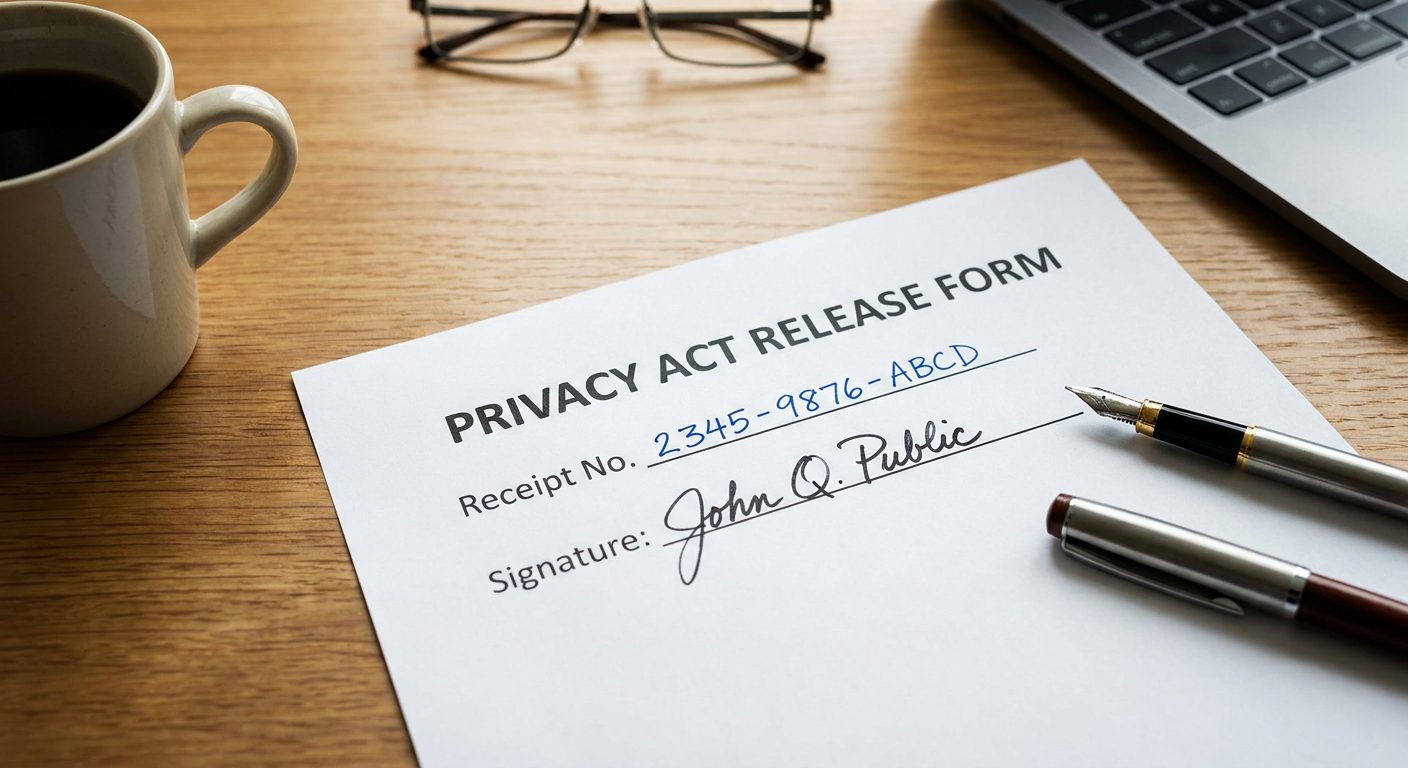
To send a congressional inquiry USCIS about a personal case, the office needs a signed privacy release from the person whose information is being requested. The office’s form and instructions control the required signature, case identifiers, documents, and any role for a petitioner, beneficiary, or power of attorney.
An office may ask for a receipt number, A-number, dates, a short case summary, or prior correspondence. Provide only the materials its official instructions request, and keep copies of what you submit for your records.
What to expect after casework

USCIS may provide information, a status response, an explanation, or a request for additional material through the congressional office. The response and timing depend on the case and agency process, so casework does not guarantee a decision, an expedite result, or a particular outcome.
The DHS CIS Ombudsman case inquiry guidance describes a separate DHS case-assistance channel with its own criteria. Neither Ombudsman assistance nor congressional casework pauses an RFE, notice, appeal, or motion deadline.
Getting help with an immigration delay
If you are considering a congressional inquiry USCIS, we can help you review the case history, identify documents the office may request, and understand the legal options that remain separate from casework. Our team can explain how USCIS tools, a service request, expedite criteria, and congressional communication may fit your circumstances without promising an agency decision or a specific timetable.
Frequently asked questions about congressional inquiries
Can a congressional office decide my USCIS case?
No. Casework can seek information, status, an explanation, or consideration from USCIS, but the agency retains authority over the immigration benefit and the merits of the case.
What should I verify before sharing information with an office?
Confirm the office through an official government website and follow its constituent-services instructions. The office may explain its privacy release, documents, and communication procedure for the request.
May I contact more than one congressional office?
Office policies differ. Choose an office and follow its instructions, including any request to disclose contact with another congressional office about the same USCIS matter.
What if I move while the inquiry is pending?
Tell the office about an address change and review the constituent policy of the office that is handling the request. A representative’s and senator’s procedures can differ by office.
Can a spouse or lawyer complete the privacy release?
The privacy release instructions of the selected office control the signature and authorization requirements. Read those instructions carefully when a petitioner, beneficiary, spouse, or power of attorney is involved.
Can casework replace USCIS deadlines or formal remedies?
No. A congressional inquiry does not pause deadlines for notices, requests for evidence, appeals, or motions. Continue to follow every deadline and consider legal advice when a formal remedy may apply.