4 minute read
A green card with DUI history may still be possible, but the immigration analysis depends on the statute, the record, and the applicant’s stage in the process. A simple DUI is not inherently a crime involving moral turpitude, although related charges or facts may require separate review.
Before you decide what a DUI means for a pending application or a future filing, our green card lawyers can help identify the immigration question that applies to your circumstances and records.
Green card with a DUI and adjustment eligibility
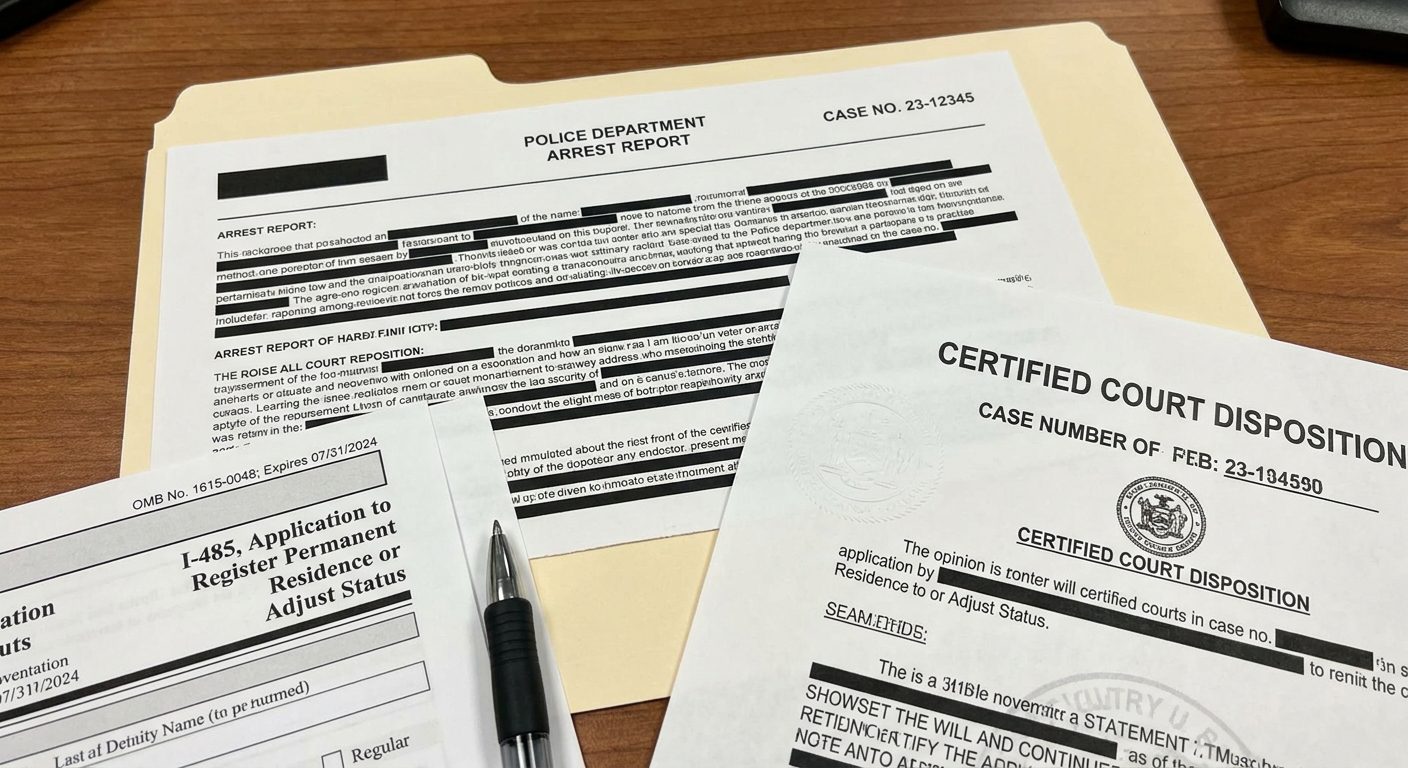
For an applicant seeking adjustment of status, the question is whether the filing is eligible and whether a ground of inadmissibility applies. Form I-485 is the adjustment application, but a green card with DUI history cannot be evaluated from the offense label alone.
Matter of Lopez-Meza recognizes that a simple DUI is not inherently a crime involving moral turpitude. The statute of conviction, its elements, and the relevant record must be reviewed before drawing an immigration conclusion.
Injuries, substances, a minor passenger, or a restricted license can be associated with other charges or different legal issues. They do not create a universal shortcut to inadmissibility, because the specific statute and case record remain important.
Why the immigration stage matters
A green card with DUI case can raise different questions depending on where the person is in the immigration process:
- Adjustment applicant: USCIS evaluates the Form I-485 filing and any applicable ground of inadmissibility.
- Lawful permanent resident: A person already admitted as a resident has a different immigration posture from an adjustment applicant.
- Naturalization applicant: Good moral character is a separate requirement for citizenship, not an automatic rule for a green card application.
Keeping these questions separate avoids treating one DUI as an automatic denial, removal outcome, or citizenship decision. The facts, the timing, and the benefit sought all affect the analysis.
Medical exam considerations

The immigration medical examination uses Form I-693 and is completed by a civil surgeon. A green card with DUI history does not establish an automatic referral or a fixed medical outcome.
CDC technical instructions for civil surgeons address a mental or substance-related disorder associated with harmful behavior. They do not support treating alcohol use alone or an unverified DUI count as a universal medical conclusion.
Good moral character and naturalization
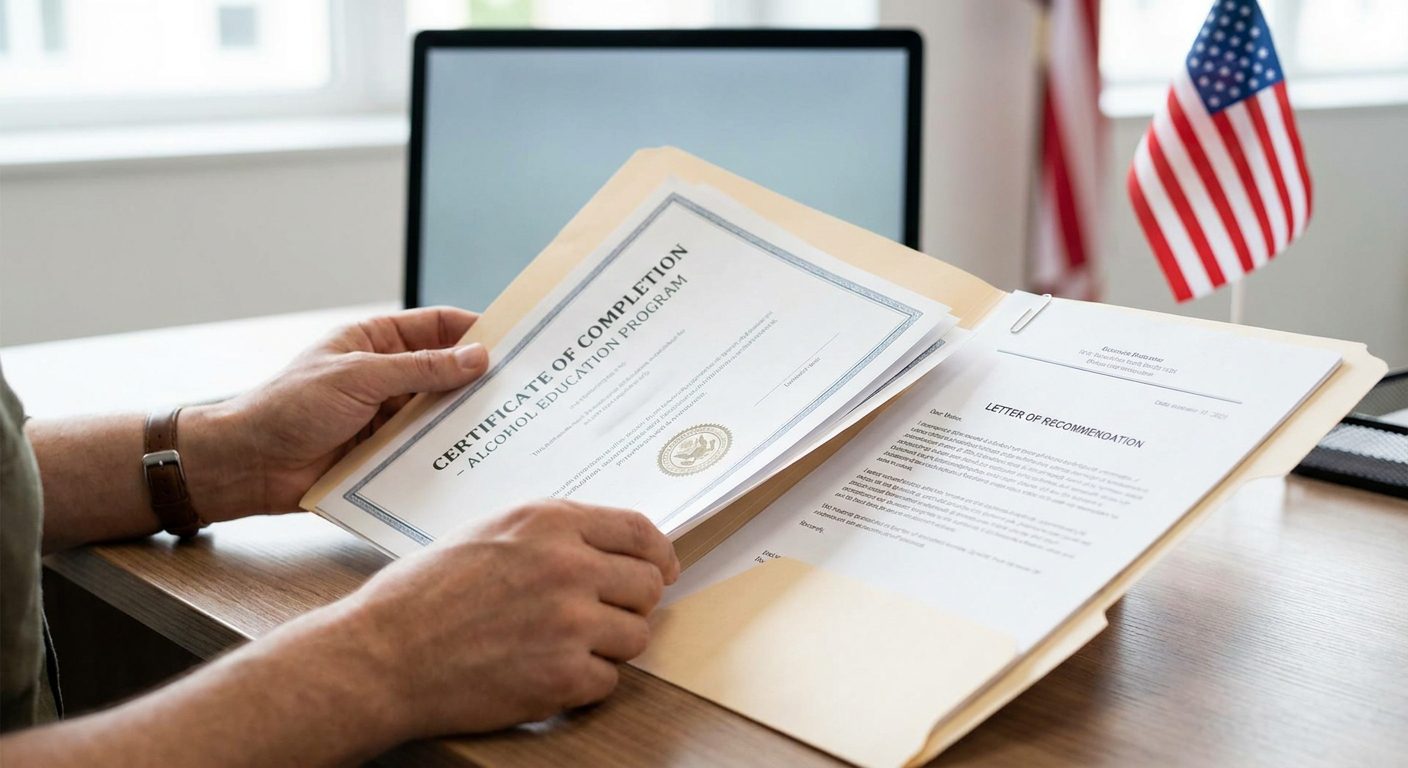
For naturalization, good moral character is evaluated during the statutory period that applies to the person. This is separate from a green card with DUI analysis. USCIS policy guidance describes a rebuttable presumption for two or more DUI convictions during that period.
That presumption is not a rule of admissibility for Form I-485 and does not arise from an arrest alone. Rehabilitation after the fact does not, by itself, establish good moral character for the statutory period. Our naturalization and citizenship attorneys address this separate citizenship question when it is relevant.
Records and conditional waiver analysis
The Form I-485 instructions require certified police and court records for arrests, charges, or convictions in the circumstances they identify. This can include records that were dismissed, sealed, vacated, or expunged. An arrest is not, by itself, a finding of guilt.
If a ground of inadmissibility is identified, immigration waivers may be available only when the specific ground and its requirements allow one. A waiver is not automatic for a DUI or for every charge connected to an arrest.
Travel while a criminal or immigration matter is pending can have case-specific consequences. Review the facts and the relevant immigration documents before making travel plans rather than assuming a standard outcome.
Getting help with a DUI-related immigration question
If you have a green card with DUI concern, a pending Form I-485, or questions about records USCIS may request, we can review the immigration issues with you. Our team helps clients organize the documents for the filing and identify whether an individual analysis is needed before the next step.
Frequently asked questions about green cards and DUIs
What happens if I get a DUI while my green card application is pending?
The effect depends on the filing, the charge, and the facts of the case. Review the Form I-485 disclosure instructions, keep certified records, and obtain advice based on the individual circumstances before deciding what action is required.
Does a dismissed DUI charge still need to be reported to USCIS?
Form I-485 instructions can require certified police and court records for arrests, charges, or convictions, including matters that were dismissed, sealed, vacated, or expunged. An arrest alone is not a finding of guilt.
Can I travel outside the U.S. while a DUI case is pending?
Travel can have consequences that depend on the charge, immigration stage, and travel documents. Review the individual circumstances before making plans instead of assuming that every pending DUI produces the same travel result.
Will a reckless driving charge affect my green card the same way as a DUI?
Not necessarily. Immigration consequences depend on the statute of conviction, its elements, and the relevant record. A different charge should not be assumed to have the same immigration effect as a DUI.
How long should I wait after a DUI before applying for a green card?
There is no single waiting rule stated here. The appropriate timing depends on the immigration benefit, the record, any pending court matter, and the facts that USCIS must evaluate in the individual application.