4 minute read
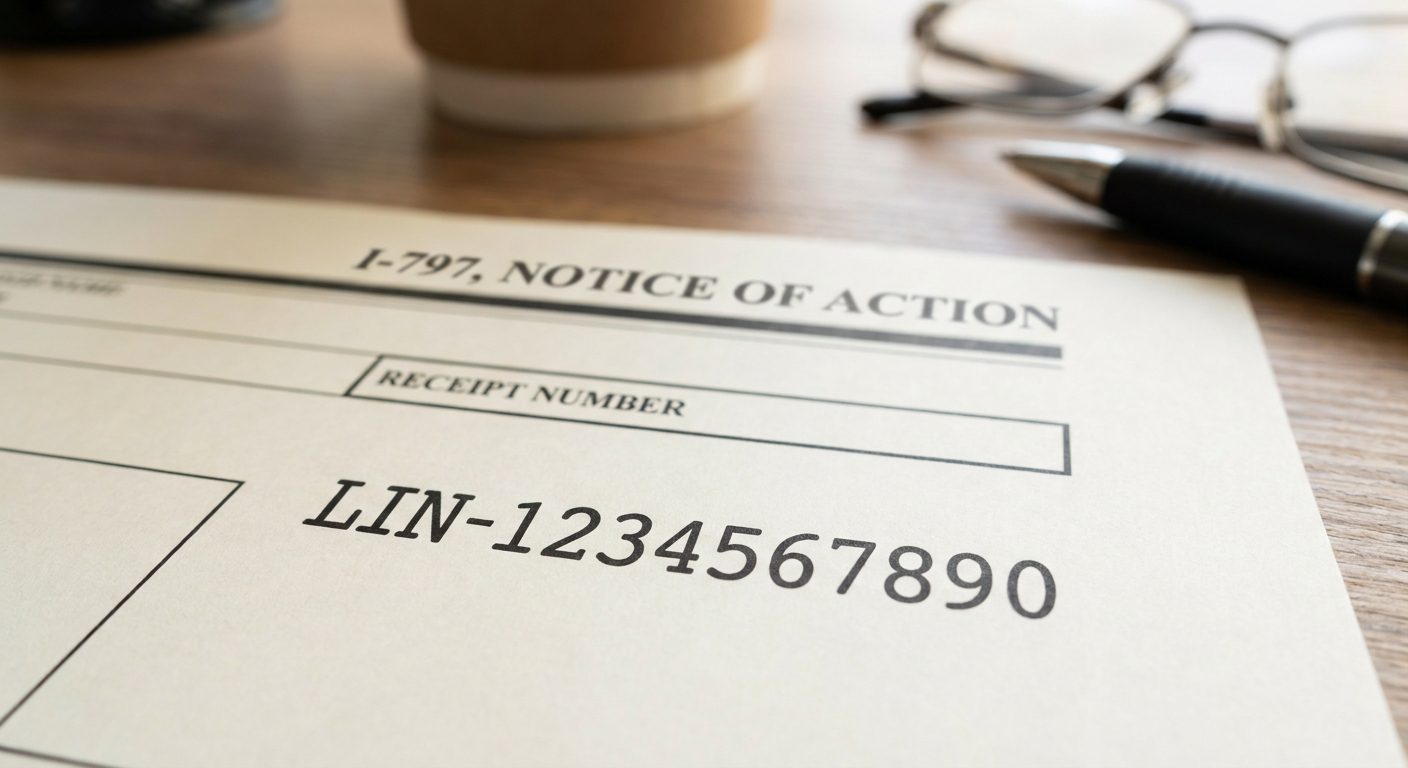
An i-797 notice of action is a USCIS notice that may acknowledge a filing, request information, communicate an update, or give case-specific instructions. Its effect depends on the notice type and underlying benefit, so it should not be treated as a universal approval or travel document.
If you are starting a family immigration process with family based immigration attorneys, identifying the notice type and reading every instruction can help you decide what to keep, what to track, and whether USCIS expects a response.
Identifying your I-797 notice of action
Start with the notice type, the underlying filing, and the instructions on the page. Similar-looking notices can serve different purposes, so the suffix alone does not tell you that a case was approved, that status changed, or that travel is allowed.
Read each I-797 notice of action with the filing it identifies. The notice type, dates, classification, and instructions provide the context needed to understand what USCIS is communicating in that case.

Administrative notices and I-797C
USCIS explains that Form I-797C can communicate a receipt, rejection, transfer, reopening, or appointment. It does not grant an immigration status or benefit by itself, so read the notice with the filing and instructions it identifies.
Approval notices
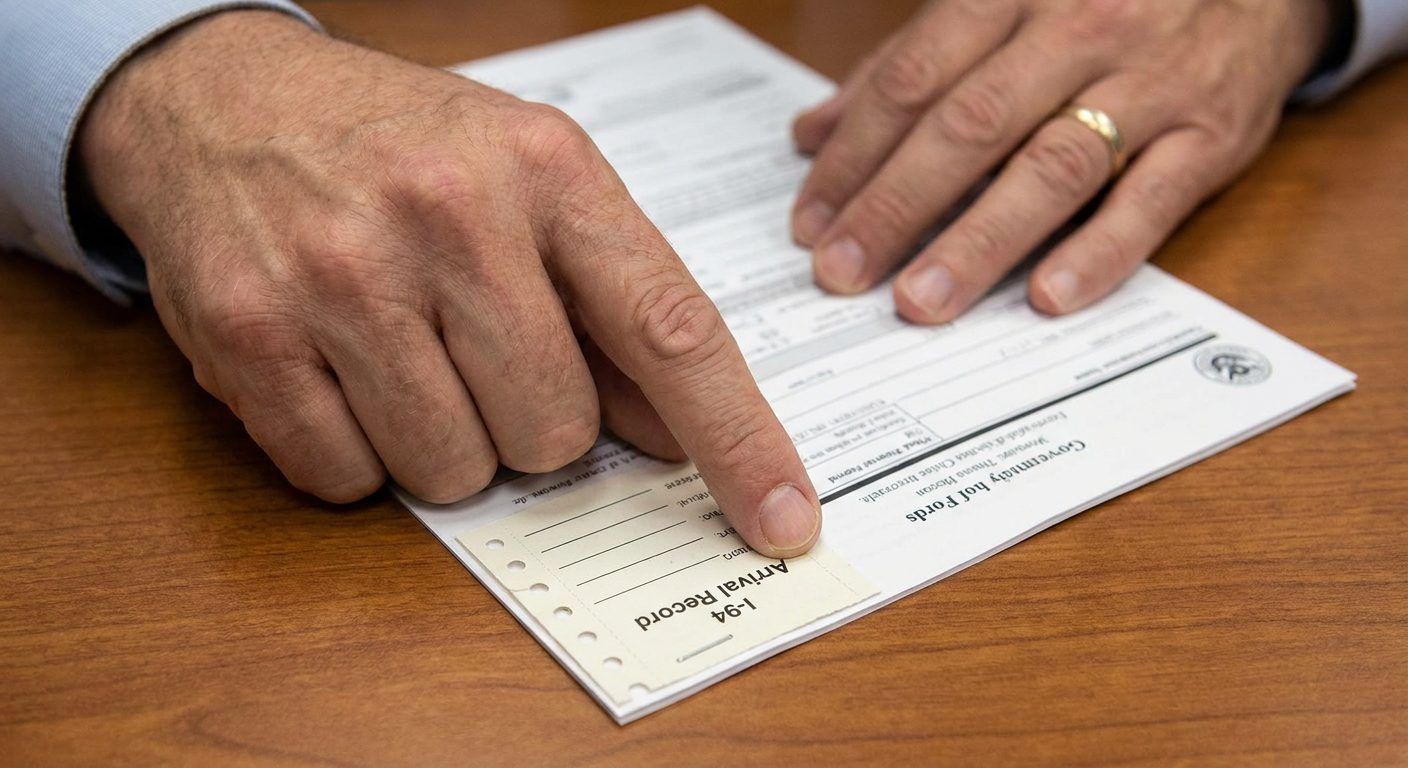
An I-797 notice of action such as an I-797A or I-797B may accompany an approval in a particular case, but the effect depends on the approved benefit, classification, dates, and instructions. An attached I-94 can be part of a specific notice rather than every approval notice.
Requests for evidence and I-797E
An I-797E asks for evidence or information related to the filing. The notice itself identifies what USCIS requests and the deadline that applies. If you need to understand how to respond to a USCIS request for evidence, keep the request and its instructions together.
Other I-797 variants can have different functions. Do not assume that an I-797D or I-797F has the same effect as another notice, or that it independently authorizes boarding, travel, or reentry.
Reading an I-797 notice of action
A receipt number has 13 characters, usually three letters followed by 10 numbers. You can use USCIS Case Status Online to track the filing and check your USCIS case status using the number shown on the notice.
A priority date may appear in some immigration categories, but it does not appear on every notice or create the same queue in every case. A green card backlog and the Visa Bulletin require separate analysis.
The Notice Date identifies the date of that notice. Read it alongside the filing type, receipt number, and any deadline printed in the document rather than assuming it establishes a filing date or priority date.

What to do after an I-797 notice of action arrives
Read the notice promptly and preserve the original with a copy of the underlying filing. A notice may be informational, may request a response, or may set an appointment, so the action you take should follow the instructions and deadline on that specific document.
- Identify the notice type: compare it with the filing and the case information shown on the page.
- Review every instruction: note any response request, appointment, address, or deadline that applies to your case.
- Keep your records together: save the original notice and copies of documents you submit or receive from USCIS.
An I-797C is not a travel document. Whether travel affects a pending matter depends on the benefit, current status, and instructions for the individual case, so review those details before making travel plans.
When a notice is missing or has an error
If Case Status Online shows that USCIS issued a notice but you did not receive it, use the USCIS non-delivery of notice tool after checking the status. Do not rely on a universal number of days from the Notice Date because the appropriate timing depends on the request and case record.
For a biometrics appointment or interview, follow the address, deadline, and contact instructions on the notice. If an emergency affects your ability to attend, use the contact method USCIS identifies for that appointment instead of assuming the same consequence applies to every missed date.
For an approved petition or application, Form I-824 may be used to request additional action when USCIS permits it. It is not a universal replacement for every lost, pending, denied, revoked, or terminated notice, and it does not replace the procedure for correcting an error.
Getting help with a notice
If your I-797 notice contains instructions you do not understand, a priority date that seems inconsistent, or an I-797E request for evidence, we can review the notice with you. Our team helps families identify the information USCIS is requesting, organize a response around the specific notice, and understand which next step fits their case.
Frequently asked questions about Form I-797 notices
What should I do if I lost my original I-797 approval notice?
Keep a copy of the notice and review the instructions for your approved filing. Form I-824 may be available for additional action on some approved matters, but it is not used for every lost notice or for a case that is still pending, denied, revoked, or terminated.
Can I use my I-797C receipt notice to travel outside the United States?
An I-797C is not a travel document. The effect of travel depends on the benefit, your current status, and the instructions for your individual case, so review those details before leaving the United States.
What if I have not received a receipt notice?
Check the status of the filing first. If USCIS shows that it issued a notice that did not arrive, follow the agency’s non-delivery process for that case instead of assuming a standard mail timeline.
Why does my I-797 notice show a different date than when I filed?
The Notice Date identifies that notice. A priority date may be relevant in some immigration categories, but its meaning depends on the filing and does not appear or operate the same way on every I-797 notice.
What is the difference between an I-797 and an I-797F notice?
I-797 notices can serve different functions. Read the specific notice and any related USCIS instructions rather than assuming an I-797F has the same effect as another I-797 notice or provides travel authorization.
Does receiving a receipt notice mean I have lawful status?
No. A receipt notice may confirm that USCIS received a filing, but it does not grant an immigration status or benefit by itself. The effect of a pending filing depends on the benefit and the facts of the individual case.