
Finding “cancelled without prejudice” stamped in your passport is unsettling, especially when nobody warned you it could happen. It is natural to wonder what it means for your travel plans and whether it will follow you into future applications.
A tourist visa cancellation like this one can happen for reasons that have nothing to do with anything you did wrong. Understanding why it happened is the first step toward knowing what comes next.
The stamp is about the visa, not about you
A visa cancelled without prejudice, often shortened to CWOP, means a consular officer found a problem with the visa itself, not with you. When this happens, the embassy or consulate stamps the visa with the words “Cancelled without prejudice,” which signals that an administrative error needs to be corrected before a new visa can be issued.
The phrase “without prejudice” is doing real work here: it means the cancellation does not carry a negative inference against you, according to the State Department’s guidance on visa ineligibilities. It does not question your honesty or your intentions; it simply flags that something in the paperwork needs fixing.
The most common triggers are administrative: a typo or clerical mistake on the visa, a duplicate visa on file, or a situation where the basis for the original visa no longer exists. In each case, the fix is procedural rather than a judgment about you as an applicant.
It also helps to remember that US visas fall into two broad categories. Nonimmigrant visas cover temporary stays, like tourism, study, or work, while immigrant visas lead toward permanent residence. A tourist visa sits in the first group, so it was never a step toward applying for a green card on its own.
Does it affect future visa applications?
Not automatically, but you do need to disclose it. Consular officers ask about prior visa history, and leaving this detail out can create a bigger problem than the original stamp ever was.
Because the cancellation reflects an error rather than a violation, most people who apply again do not face extra scrutiny for that reason alone. Even so, no consular process comes with guarantees, and every application is reviewed on its own facts.
Cancelled without prejudice vs revoked vs denied
These three terms get mixed together constantly, but they describe different situations, and knowing which one applies to you changes what happens next.
If columns extend beyond the view, swipe the table horizontally or focus it and use the arrow keys.
| Term | What it means | Effect on eligibility |
|---|---|---|
| Cancelled without prejudice | Administrative error in the visa itself | No negative inference |
| Revoked | A consular officer withdraws a valid visa, often after learning something new about the holder | Can affect future applications |
| Denied | An application is refused before a visa is ever issued | Depends on the ground cited |
A revoked visa tends to carry more weight, since it usually means new information came up after the visa was already approved. Cancelled without prejudice sits at the opposite end: it starts and ends with paperwork.
Why a tourist visa gets cancelled
Cancelled without prejudice is only one of several reasons a tourist visa can be cancelled. In general, a visa is issued with the understanding that the holder will follow its terms and leave the country by the required date. The most common reasons include:
- Staying past the authorized date: even 24 hours past the date on your I-94, not the visa’s own expiration date, can trigger a cancellation.
- A CBP officer questions eligibility: at entry, an officer can decide that someone previously granted a visa no longer qualifies to enter.
- A damaged visa: if the visa is torn or separated from the passport page it was printed on.
- Using the visa for something other than tourism: enrolling in school full time, getting married, or taking a job while on a tourist visa.
- Signs of an intent to stay indefinitely: officers weigh whether someone plans to remain in the country beyond a short visit.
- Reliance on Medicaid: if public medical assistance covered the visa holder’s expenses.
- Switching to an immigrant visa: once someone is granted an immigrant visa, the earlier nonimmigrant or tourist visa is cancelled.
- A pending family-based petition: having a relative in the US file a residency petition on the visa holder’s behalf.
- Unauthorized work: working, or being found to intend to work, while on a tourist visa.
- A clerical error: a misspelled name or an incorrect date of birth on the visa.
The overstay reason deserves a closer look, since it is also the most misunderstood one. The date that matters is not the visa’s expiration date but the one on your Form I-94 Arrival/Departure Record. Staying even one day past that date without an approved extension can cancel the visa automatically.
What to do if your visa was cancelled
If your US tourist visa is canceled, you will need to leave the United States immediately or, if you are in another country, delay your travel plans until you have successfully addressed the cancellation before reapplying.
What happens next depends on where you are. If you are still in the US, you typically need to depart before your authorized stay runs out, cancellation or not. If you are abroad with a cancelled without prejudice stamp, you can generally reapply once the underlying error is fixed.
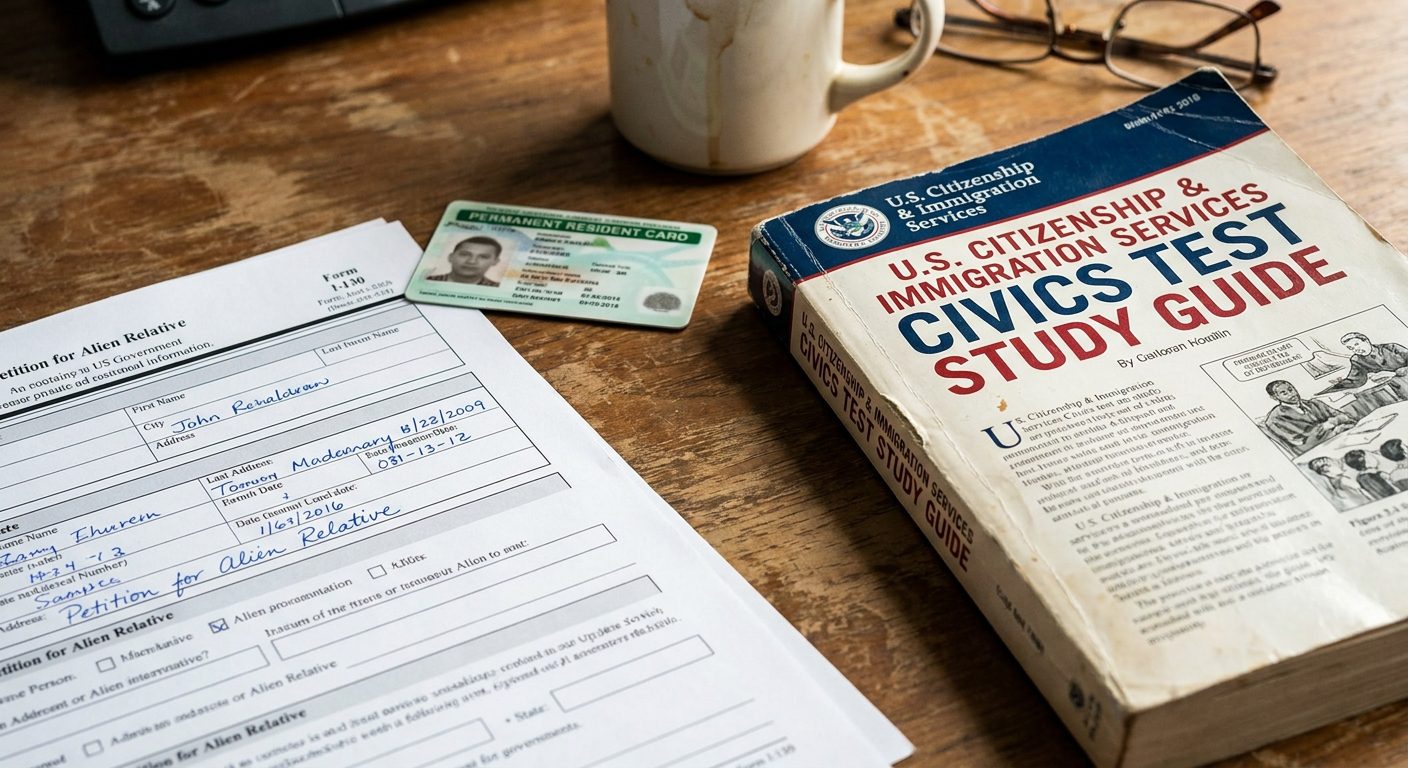
Sometimes the visa is only part of the picture. If you have family immigration options through a relative already in the US, that path does not depend on the tourist visa at all.
Those situations are separate from a routine visa renewal, and they follow their own rules and deadlines.
When it makes sense to talk to an immigration attorney
A cancelled without prejudice stamp on its own rarely calls for legal help, since it is a paperwork issue the consulate handles directly. But if your situation goes beyond this one stamp, for example a mix of visa types or an approaching family petition, it is worth having someone look at the complete picture before you travel again.
Tourist visas are not an area we handle directly, but the immigration issues that often sit behind them are. If your situation touches on something more, our immigration attorneys can review what has happened so far and help you understand where it leaves you.
The immigration services we handle range from family-based petitions to green cards and protections for crime victims, so the right next step depends on the specifics of your case.
If you are dealing with a cancelled without prejudice stamp and are not sure what to do next, you do not have to figure it out alone. Talking it through with someone familiar with these cases can save you time, whether you end up reapplying on your own or need more guidance.
Frequently asked questions about visas cancelled without prejudice
What does cancelled without prejudice mean on a visa?
It means a consular officer found an administrative problem with the visa itself, such as a clerical error or a duplicate visa, rather than a problem with the applicant. The cancellation does not carry a negative mark against you.
Does a cancelled without prejudice stamp affect future visa applications?
Not automatically. Since the cancellation reflects an error rather than a violation, it does not create a negative inference on its own. You still need to disclose the prior cancellation when you apply again.
What does CWOP stand for?
CWOP stands for Cancelled Without Prejudice, the term consular officers use for this specific type of administrative visa cancellation. It is the same stamp described in this article, and you may see the abbreviation used in visa correspondence.
Is cancelled without prejudice the same as a revoked visa?
They are different actions. A cancelled without prejudice visa involves an error in the paperwork, while a revoked visa is withdrawn after a consular officer learns something new about the holder. A revoked visa generally carries more weight in a future application.
Can I get a new visa after a cancellation without prejudice?
In most cases, yes, once the underlying error is corrected. There is no guarantee with any visa application, since each one is reviewed on its own facts at the time you apply.