If you are asking how much does it cost for naturalization, you are likely preparing to apply for U.S. citizenship and want to understand the exact financial commitment involved. The total cost of naturalization includes government filing fees and, in some cases, additional expenses depending on your situation. Understanding these numbers upfront helps you plan properly and avoid unexpected delays.
While many applicants can complete the process on their own, others may choose to consult an experienced immigration lawyer naturalization professional to evaluate eligibility, especially if there are prior immigration issues, criminal history, or long absences from the United States. Below, we break down the official USCIS fees and other potential costs you should consider before filing Form N-400.

USCIS Filing Fee for Form N-400
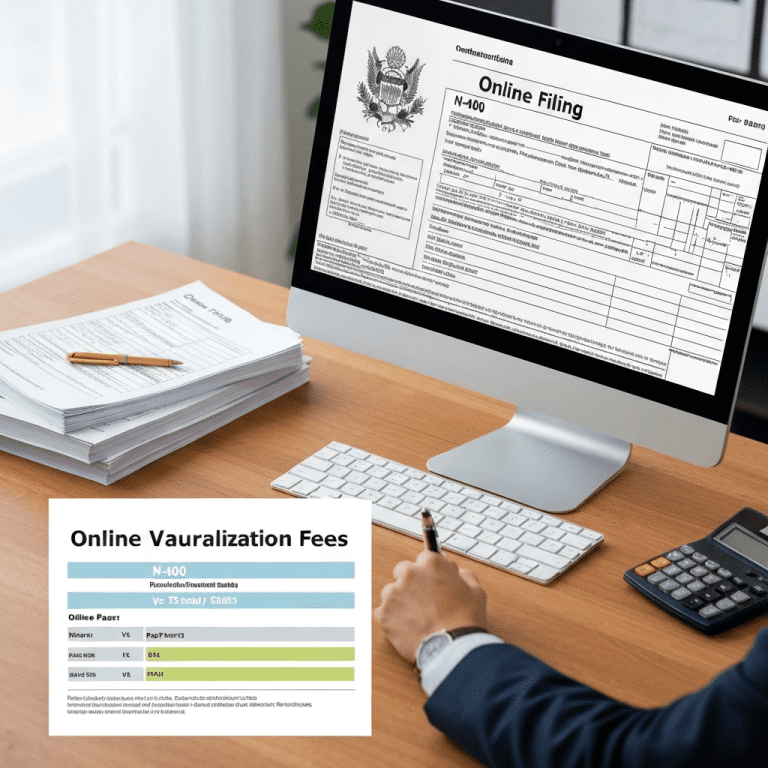
When determining how much does it cost for naturalization, the primary expense is the government filing fee for Form N-400, Application for Naturalization. Currently, the standard USCIS naturalization cost is:
- $710 if filing online
- $760 if filing by paper
In most cases, this amount includes biometrics services if required. USCIS will schedule a biometrics appointment when necessary as part of the application process.
The naturalization fee covers:
- Application review and processing
- Background checks
- Biometrics (when required)
- Naturalization interview
- English and civics examination
- Oath ceremony
Submitting the incorrect payment amount can result in application rejection and processing delays, so confirming the correct N-400 cost before filing is essential.
Are There Additional Costs Beyond the Filing Fee?
While the government filing fee represents the main portion of the citizenship application fee, some applicants may incur additional expenses depending on their circumstances. These may include:
- Certified translations of documents not in English
- Certified court records if there is any prior criminal history
- Replacement of a lost or expired green card before applying
- Copies, mailing services, or administrative documentation costs
Although these are not separate USCIS filing fees, they can increase the total cost for naturalization depending on the complexity of the case.
For applicants with straightforward cases and complete documentation, the filing fee may be the only significant expense.

Can You Qualify for a Reduced Fee or Fee Waiver?
For applicants concerned about affordability, there are options that may lower or eliminate the naturalization fee.
A reduced filing fee of $380 may be available for eligible applicants who meet specific household income thresholds under federal poverty guidelines. Those requesting a reduced fee must file by paper and provide supporting financial documentation.
Additionally, some applicants may qualify for a full fee waiver, which eliminates the N-400 cost entirely. Eligibility for a fee waiver is generally based on demonstrated financial hardship, receipt of certain public benefits, or household income below a designated threshold.
Proper documentation is critical when requesting a reduced fee or fee waiver. If insufficient evidence is provided, the application may be rejected and returned.
Understanding these financial options is an important part of answering how much does it cost for naturalization in your specific situation.
Attorney Fees and Optional Legal Costs
Beyond the government filing fee, some applicants choose to work with an attorney to assist with the naturalization process. While hiring legal representation is not required, it can be helpful in cases involving prior immigration violations, criminal history, extended travel outside the United States, or prior application denials.
Attorney fees for naturalization vary depending on complexity, geographic location, and the scope of services provided. In straightforward cases, legal fees may range from moderate flat rates, while more complex matters involving legal analysis or additional filings may cost more. Optional costs may include:
- Legal consultation fees
- Preparation and review of Form N-400
- Representation at the naturalization interview
- Legal strategy for complicated cases
For applicants with clean records and straightforward eligibility, filing independently may be sufficient. However, individuals with potential risk factors should carefully evaluate whether professional guidance is appropriate.

What Happens If Your Payment Is Rejected?
When calculating how much does it cost for naturalization, it is important to understand that submitting the wrong fee can result in rejection.
If USCIS determines that the payment amount is incorrect, the application may be rejected and returned. Common reasons include:
- Incorrect filing fee amount
- Requesting a reduced fee but filing online
- Insufficient funds or declined credit card payment
- Missing payment documentation
A rejection does not mean denial of naturalization, but it does delay processing. The applicant must correct the issue and refile the entire application with the proper payment.
Carefully reviewing payment instructions before submission can help avoid unnecessary delays in the N-400 process.
Is Naturalization Worth the Cost?
When asking how much does it cost for naturalization, many applicants are also weighing whether the investment is worthwhile. Naturalization provides significant long-term benefits, including:
- The right to vote in federal elections
- Eligibility for a U.S. passport
- Protection from deportation in most circumstances
- Ability to petition certain family members
- Access to federal employment opportunities
Compared to repeatedly renewing a green card, naturalization may offer greater long-term stability and security. For many lawful permanent residents, the cost of citizenship represents a one-time investment toward permanent legal status and expanded rights.
The total cost for naturalization typically begins with the N-400 filing fee but may vary depending on documentation needs, eligibility factors, and whether legal assistance is used. Understanding the full financial picture helps applicants plan appropriately and avoid unexpected expenses.
Before filing, it is important to confirm current USCIS fees, review eligibility carefully, and ensure that all required documentation is complete. Proper preparation can prevent delays and help move your citizenship application forward smoothly.
Frequently asked questions: how much does it cost for naturalization?
How do I decide between online and paper filing for naturalization?
Choosing between online and paper filing affects both cost and convenience. Online N-400 submissions cost $710, while paper filings cost $760, and there is no separate biometrics fee because it’s bundled into the filing. Online filing also tends to speed up processing. Before you apply, confirm you’re using the latest form and fee schedule, and choose the method that fits your access and budget.
What options exist if my income is limited and I can’t afford the fee?
Fees for naturalization can be managed if you qualify for waivers or reductions. A fee waiver via Form I-912 can eliminate the filing costs for those meeting income or benefits criteria, while a reduced fee of $380 applies to households between 150% and 400% of the Federal Poverty Guidelines. Verify eligibility before filing, gather supporting documents, and remember that waivers, if approved, remove all filing fees.
What costs should I plan for besides the N-400 fee?
Beyond the N-400 filing fee, plan for related costs that may arise. You might pay for certified copies, translations, and obtaining necessary documents, as well as mailing or courier fees. If your case is denied, fees are generally non-refundable. Having a budget and collecting documents early can prevent delays, so consider creating a checklist and timeline that aligns with your income and family needs.
Why do USCIS fees change every year and how can that affect my plan?
USCIS periodically adjusts fees to reflect inflation and processing costs. The One Big Beautiful Bill Act set up inflation-based updates, so the price you see this year may change next year. This helps fund staff and processing capacity but also means you should verify the current fee and form version before filing. Checking the latest schedule prevents surprises and keeps your citizenship plan on track.
What steps can I take to avoid delays or rejection due to fee or form issues?
To avoid delays, start with the latest Form N-400 and the current fee schedule, then assemble required documents early. Double-check that you meet eligibility for any waivers or reductions, and choose the correct payment method for your filing method. A careful checklist, timely submissions, and professional guidance from an immigration advocate can help ensure a smooth, affordable path to citizenship for you and your family.