7-minute read
Many foreign-born individuals in the United States closely follow U visa news as policy guidance and processing practices continue to evolve. If you are seeking protection after being the victim of a qualifying crime, recent developments may affect how your case is reviewed, how long it may take, and whether you qualify for interim benefits while waiting. Understanding what has changed — and what has not — can help you make informed decisions about your next steps.
For a practical overview and ongoing updates, a U visa attorney summarizes changes, explains how they affect filings, and helps you interpret the latest notices across USCIS announcements and advisory memos. This resource aims to translate policy shifts into clearer steps you can take today.

What recent U visa news means for eligibility standards?
Recent U visa news has not fundamentally altered the statutory eligibility requirements, but it has clarified how USCIS evaluates certain elements of a petition. To qualify for U nonimmigrant status, applicants must still demonstrate:
- They were a victim of a qualifying criminal activity;
- They suffered substantial physical or mental abuse as a result;
- They possess credible information about the crime;
- They have been, are being, or are likely to be helpful to law enforcement;
- They are admissible to the United States or qualify for a waiver.
What has evolved is the emphasis on documentation quality. USCIS has reinforced that complete and well-organized evidence at the time of filing significantly influences how quickly a case moves through review. Inconsistent affidavits, incomplete certifications, or vague corroboration may lead to delays or Requests for Evidence (RFEs).
Annual cap, backlog, and bona fide determinations in 2026
One of the most important aspects of current U visa news involves the statutory annual cap. Federal law limits principal U visas to 10,000 approvals per fiscal year. Once that cap is reached, eligible applicants are placed on a waiting list rather than granted immediate U status.
Due to this cap and years of accumulated filings, many applicants now face multi-year wait times before final adjudication. In response to the backlog, USCIS implemented and expanded the bona fide determination (BFD) process.
Under the bona fide determination framework, USCIS conducts an initial review of properly filed petitions. If the case appears complete, includes a valid law enforcement certification, and passes background checks, USCIS may grant:
- Deferred action, and
- Employment authorization (EAD) valid for up to four years.
This does not mean the U visa has been approved. Instead, it provides temporary stability while the petition remains pending in the queue. For many applicants, bona fide determination has become a critical interim protection during extended processing times.
Who qualifies under the current framework?
Despite policy refinements, the core eligibility framework remains centered on victimization, substantial harm, and cooperation with law enforcement.
Recent adjudication trends emphasize:
- The importance of detailed law enforcement certifications (Form I-918B);
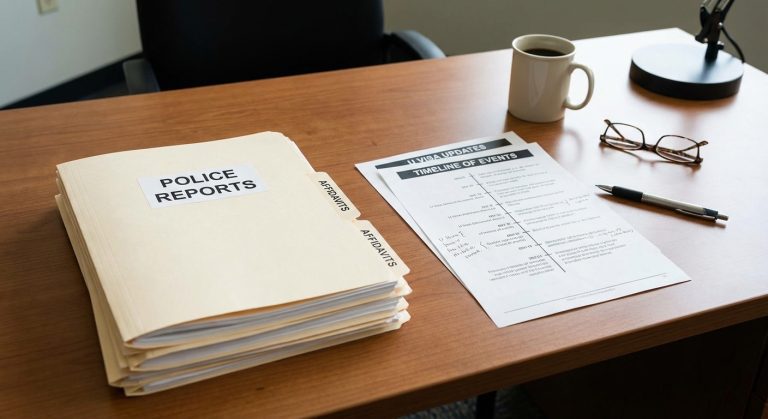
- Consistency between police reports and personal affidavits;
- Clear evidence demonstrating substantial harm;
- Accurate documentation for derivative family members.
Each petition is evaluated on its specific facts. Approval does not depend on a single document, but on whether the totality of the evidence supports the statutory requirements.

How policy updates affect processing times?
Processing times for U visas remain lengthy in 2026, primarily due to the annual cap and backlog volume. While USCIS continues to adjudicate bona fide determinations more quickly than final approvals, full visa grants may still take several years.
Factors that may affect timelines include:
- Completeness of the initial submission;
- Background check results;
- Requests for additional evidence;
- Changes in admissibility issues;
- Workload at the reviewing service center.
Although official processing ranges fluctuate, applicants should prepare for extended timelines and monitor case status regularly through USCIS tools.
Evidence expectations after recent updates
Current U visa news highlights stricter attention to documentation standards. Applicants should ensure their filings include:
- A properly completed Form I-918 and I-918B certification;
- Detailed personal affidavits describing the crime and its impact;
- Police reports or investigative records;
- Medical or psychological documentation of harm, when available;
- Proof of cooperation with law enforcement;
- Clear documentation for any derivative beneficiaries.
Well-organized submissions with indexed exhibits and consistent dates help reduce the likelihood of RFEs and strengthen bona fide determination eligibility.
Where to verify official U visa updates
To stay informed about U visa news, applicants should rely on official government sources, including:
- USCIS Policy Manual updates;
- The USCIS Newsroom;
- Federal Register notices;
- USCIS processing time tools.
Because policy language can shift subtly, reviewing the exact effective dates and implementation details is essential before making filing decisions.

Practical checklist after recent U visa developments
Following recent updates, applicants should:
- Confirm that all eligibility criteria are clearly documented.
- Verify that the law enforcement certification is complete and signed.
- Organize evidence in a structured and indexed format.
- Monitor case status using the USCIS receipt number.
- Prepare for potential RFEs or background review delays.
- Track ongoing U visa news for any procedural changes affecting pending cases.
Staying proactive and organized reduces the risk of delays and improves the likelihood of interim benefits under the bona fide determination process.
FAQs about U visa eligibility changes
How do the most recent U visa updates affect eligibility for new applicants?
While the latest U visa updates aim to clarify eligibility, they do not guarantee results. The changes typically refine who is considered eligible based on the crime involved, the applicant’s cooperation with law enforcement, and issues of admissibility. For newcomers, this means the set of required evidence may shift and the emphasis may move toward credible corroboration and timely submission. Since specifics depend on the exact notice and your facts, readers should review official notices and trusted summaries to understand how the updates apply to their situation.
What are some qualifying scenarios under the updated rules?
Under the updated framework, direct victims who suffered qualifying harm, certain witnesses who provided information supporting an investigation, and some derivative family members may qualify. The rules emphasize information contributed to law enforcement and the ability to assist prosecution. It remains essential to assess each circumstance on its facts, and to avoid assuming qualification based on a single document. Providing a complete, coherent narrative with corroborating evidence often strengthens credibility within the updated standard.
How might processing times be affected by these updates, and what should applicants do to prepare?
Processing times can fluctuate as agencies adjust to new criteria and workloads. Updates may lengthen or shorten review in some districts, but exact timelines vary by case. To prepare, gather essential documents early, create a clear event timeline, and ensure consistency across records. Regularly check official notices for any transitional rules and keep a running checklist of required evidence. Rely on verified guidance rather than assumptions, and avoid delaying action while waiting for definitive timelines.
What evidence or documentation should applicants organize after these updates?
Applicants should assemble core documentation showing crime involvement, cooperation, and harm, organized with a simple index. Expect items such as police reports, affidavits, medical records, and any certification of admissibility concerns. Label each piece with date, source, and relevance, and include translations or certified copies when required. A short narrative linking the victimization to the evidence can help reviewers understand the context. Be prepared for possible requests for new forms or sworn statements as the updates take effect.
Where can I verify official notices and stay informed about changes?
To stay informed, monitor official USCIS notices and policy updates and subscribe to reliable updates. Primary sources include the USCIS policy portal, the USCIS Newsroom, and the Federal Register, which publish notices about eligibility changes and new requirements. Rely on these authoritative channels rather than unofficial blogs. Establish a routine to review notices, note effective dates, and adjust your preparation accordingly. This practice helps prevent gaps between policy changes and your filing readiness.
What should be your practical checklist after U visa policy updates?
Start with a short, action-oriented checklist: summarize updated criteria, gather core evidence, and compare your records with the new requirements. Create a clearly indexed bundle and include a narrative tying the events to the evidence. Confirm contact information for referenced agencies and note next steps you will take. Maintain a routine to monitor official updates and set reminders. By staying organized and relying on verified guidance, you minimize delays and missteps after policy changes.