
Estimated reading time: 6 minutes
President Trump canceled a plan to deploy federal troops to San Francisco after sustained opposition from city and state officials, tech executives, and public demonstrators. The announcement followed direct appeals from San Francisco Mayor Daniel Lurie and visible pushback from Governor Gavin Newsom and major Silicon Valley leaders, signaling a rare high-profile reversal in federal immigration enforcement plans.
The decision highlights a broader clash over the limits of federal authority in immigration operations and the growing influence of business and local coalitions in shaping enforcement outcomes. For residents, advocates, and municipal leaders, the episode raises immediate questions about federal tactics, constitutional boundaries, and how local policies interact with national immigration priorities.

President Trump officially dropped plans to send federal troops to San Francisco for immigration operations after intense criticism from local government, business leaders, and activists. The reversal followed private and public appeals from Mayor Daniel Lurie and Governor Gavin Newsom, and lobbying from tech CEOs who warned of political and economic fallout. Coverage and analysis of the decision are summarized in the reporting by Boundless and a news roundup by Corporate Immigration Partners.
What happened and who intervened
The plan would have used federal military assets to support U.S. Immigration and Customs Enforcement activities in San Francisco, a city long known for so-called sanctuary policies. Local leaders framed the move as unnecessary for public safety because city crime statistics are at historic lows, and they characterized the proposal as federal overreach. Business leaders, notably several Silicon Valley CEOs, also objected, arguing the move risked harming the region’s economy and workforce recruitment.
Why the reversal matters
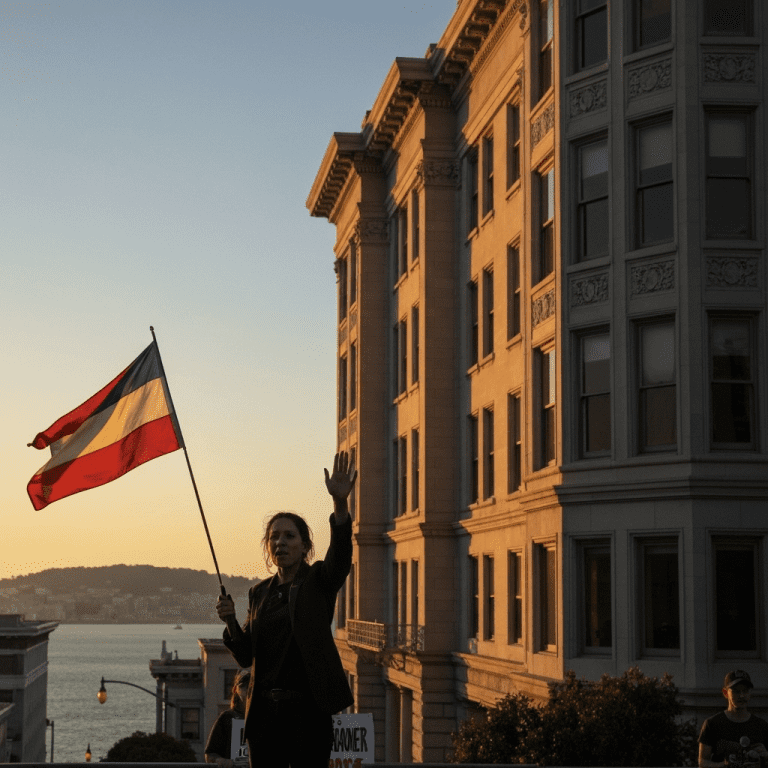
Officials called the withdrawal a practical defeat for a more aggressive federal enforcement posture. The intervention by corporate leaders revealed a new axis of influence, where private-sector concerns about labor, reputation, and local markets can shape federal decisions. The public protests that formed outside a regional Coast Guard base underscored civic resistance to any militarized approach to domestic immigration enforcement.

Legal and constitutional considerations
Using military assets in domestic immigration enforcement raises complex constitutional and statutory issues, including the Posse Comitatus Act’s limitations on military involvement in civilian law enforcement. While the administration has asserted broad federal authority under immigration statutes, legal scholars and civil rights groups have long warned that deploying troops could unsettle the balance between federal power and municipal autonomy. No new legislation or judicial ruling triggered this change, but the episode reinforces the legal sensitivity around militarized enforcement.
Sanctuary policies and local autonomy
San Francisco’s long-standing limits on local cooperation with federal immigration authorities remain central to the dispute. These local policies are designed to foster community trust in law enforcement but have been targets for administrations seeking to broaden deportation efforts. City officials argued that local discretion in policing and public safety should not be overridden by federal deployments that lack a clear public safety rationale.
Role of the tech industry and business concerns
Executives from major tech firms stepped into the dispute, contacting administration officials to express concerns. Their involvement signals an evolving corporate posture on immigration policy, shaped by the need to attract international talent and maintain stable local operations. Business objections framed the proposed troop deployment as not only politically damaging, but also economically unwise, given the Bay Area’s reliance on global workers and cross-border collaboration.
Public reaction and political consequences
Public protests, vocal statements by state leaders, and media scrutiny contributed to the political pressure that led to the cancellation. Polling cited in coverage suggests many Americans favor pathways to legal status over mass deportations, and that there is broad support for policies that integrate immigrants into communities. The episode heightened partisan debate while also revealing bipartisan unease about using military force in domestic policy enforcement.
Implications for immigrants and community safety
For immigrant communities, the withdrawal offers temporary relief from the prospect of a militarized enforcement presence. Advocacy groups view the decision as a reprieve but not an endpoint, noting ongoing concerns about ICE practices, detention conditions, and the administration’s overall enforcement priorities. City officials emphasize continued focus on community-based public safety strategies rather than federal intervention.
What to watch next
Although the troop deployment was canceled, the administration has not abandoned its broader push for tougher immigration enforcement, and similar confrontations could arise in other cities. Watch for policy shifts from the Department of Homeland Security and ICE, potential legal challenges over sanctuary laws, and continued engagement by corporate stakeholders. Local governments will likely sharpen legal and political defenses to limit future federal incursions.

Next steps and practical advice
The core takeaway is that federal enforcement plans can be altered by coordinated local, state, and business opposition, and that constitutional concerns remain central to these disputes. For individuals worried about enforcement actions, staying informed about local policies, knowing rights when interacting with federal officers, and connecting with immigrant advocacy organizations are practical steps. If you need case-specific guidance, consult an immigration attorney for personalized advice and representation. For legal help, Shelle-Ann Simon’s office provides personalized support to navigate enforcement risks and immigration options, including relief and status pathways.