
Estimated reading time: 5 minutes
Homeland Security announced the deployment of 2,000 immigration officers to Minnesota, a major expansion of interior enforcement aimed at locations with sanctuary policies and recent incidents involving noncitizens. The move signals a stepped-up federal presence to conduct arrests, deportations, and enforcement operations as part of broader national security and vetting priorities.
The deployment follows a string of policy actions from the administration that tighten entry rules and increase vetting, including expanded travel restrictions and new review protocols for certain immigration benefits. Those measures affect asylum seekers, Temporary Protected Status holders, employers dependent on undocumented labor, and communities in Minnesota where logistics and local pushback are already showing.
The Department of Homeland Security announced plans to send 2,000 immigration officers to Minnesota to bolster interior enforcement, targeting areas with sanctuary policies and locations tied to recent criminal incidents. The surge is intended to support large-scale apprehensions, removals, and enforcement operations, and it is being framed by officials as a response to national security and public-safety concerns highlighted by recent events. KOSU reported the initial announcement and operational preparations.

What the deployment entails
Federal officials say the deployment will increase personnel for enforcement operations, including arrests, criminal case follow-ups, and removal processing. Local logistics already show signs of activity, from hotel cancellations for federal teams to coordination with field offices. The scale, 2,000 officers, is meant to give DHS and ICE the capacity to execute prioritized arrests and deportations across urban and rural areas where undocumented populations are concentrated.
Why Minnesota is a focus

Minnesota drew attention because of its sizable undocumented population, sanctuary city policies in parts of Minneapolis, and recent high-profile incidents involving noncitizens that raised safety concerns. Officials argue the federal surge will restore order and deter illegal entry and overstays. Critics warn it will strain local-police relationships and escalate tension in communities that rely on immigrant labor and fear widespread detentions.
How this ties to recent federal policy changes
The Minnesota deployment is linked to a broader, security-focused agenda that includes expanded travel bans and tighter vetting. A presidential proclamation expanded entry restrictions for nationals from a list of countries, and USCIS guidance increased scrutiny of asylum and other benefit requests for certain nationals. The White House framed these steps as necessary for national security, while policy analysts describe them as part of a rapid enforcement ramp-up.
Who stands to be affected
Impacts are broad. Undocumented immigrants, including large groups of Haitian nationals and Venezuelans losing Temporary Protected Status, face heightened removal risk. Farmers and employers reliant on undocumented labor fear mounting labor shortages. Local governments and hospitality businesses are grappling with federal teams arriving, and service providers report increased anxiety among immigrant communities as enforcement activity grows.
Legal and procedural consequences
USCIS policy memoranda now call for enhanced reviews and, in some cases, holds on adjudications for high-risk nationalities, affecting asylum applicants, adjustments of status, naturalizations, and travel document requests. The memo also mandates additional interviews when national security concerns arise, extending timelines for many applicants and creating new procedural hurdles for those seeking benefits.
Data tools and vetting methods being used
New enforcement tools include expanded access to administrative datasets, such as Medicaid records, to identify noncitizens for removal proceedings. Reports also indicate increased use of social-media vetting and biometric screening. Analysts caution these methods expand the government’s reach into routine records and can accelerate targeting of individuals who may otherwise be shielded from interior enforcement.
Public reaction and local resistance
Reactions are polarized. Supporters of stepped-up enforcement praise the move as necessary for safety and rule of law, while advocates and some businesses voice strong opposition. Examples of resistance include hotels canceling reservations for federal teams and outspoken sanctuary leaders warning of community harm. Media coverage shows this is likely to fuel political and legal disputes at the state and municipal levels.
Practical implications for immigrants and employers
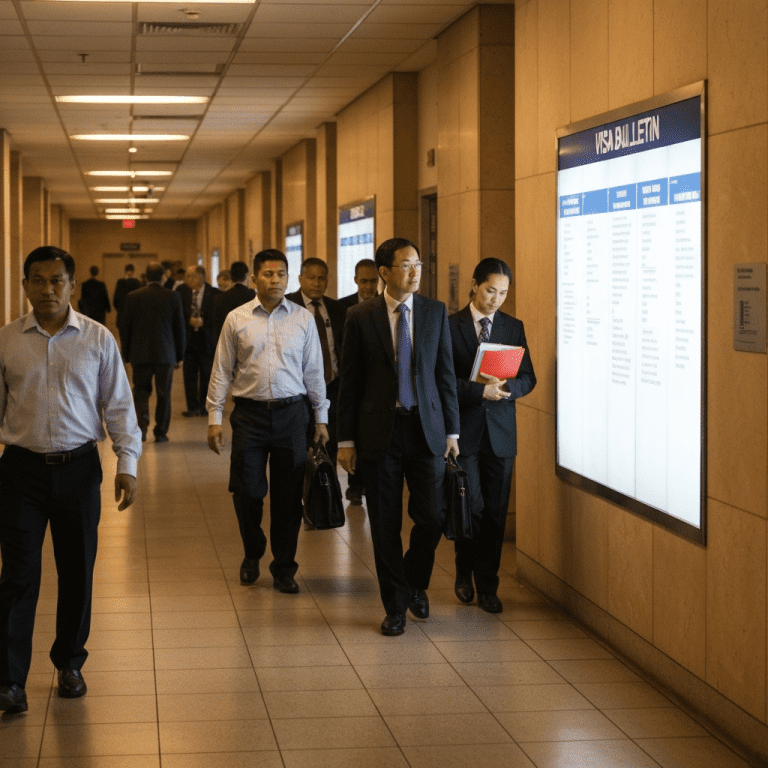
For immigrants, increased arrests and removals mean an urgent need to know legal rights, secure important documents, and consult counsel where possible. Employers should prepare for workforce disruptions and review hiring and I-9 compliance processes. The Department of State’s Visa Bulletin remains the reference for numerical limits and priority dates affecting family and employment-based immigration pathways.
Immediate steps people should consider
Individuals who believe they may be affected should gather identity and immigration documents, maintain updated contact information with counsel, and avoid providing information to authorities without legal advice. Employers should assess contingency staffing plans and consult employment counsel about compliance and risk. Community organizations can help by sharing accurate information, referrals, and resources to reduce fear and misinformation.
What to expect next
The enhanced enforcement posture will likely continue while officials implement vetting and travel-restriction policies announced recently. Legal challenges, local pushback, and logistical hurdles may shape how aggressively the deployment proceeds. Observers expect litigation and policy disputes that could alter aspects of implementation, and stakeholders should watch official DHS and USCIS guidance for operational updates.

Key takeaways and guidance
The federal deployment of 2,000 officers to Minnesota marks a clear shift toward more intensive interior enforcement, tied to expanded travel bans and heightened vetting. The changes affect asylum seekers, TPS holders, employers, and local communities. If you or your organization may be impacted, secure counsel, keep documents ready, and monitor official sources such as the Department of State’s Visa Bulletin and DHS announcements. For tailored advice and representation, contact Shelle-Ann Simon’s office to discuss options and next steps.
Notes and sources: reporting synthesized from AILA’s daily news clips, Employment Law Worldview analysis, the Department of State Visa Bulletin, KOSU/AP coverage of the DHS announcement, WUSF coverage of Venezuelan TPS issues, and the White House proclamation on entry restrictions. Links in the article point to those original sources for further detail: AILA, Employment Law Worldview, Visa Bulletin, KOSU, WUSF, and WhiteHouse.gov.