5 min read
Sudden medical emergencies or severe personal crises abroad can require immediate travel to the United States when a standard visa is not available. Humanitarian parole is a temporary, discretionary measure that allows individuals to enter the country for a limited period.
This is not a permanent status or a pathway to a Green Card — it is a temporary bridge for urgent situations. Specialized immigration services can ensure your documentation meets the government’s strict standards before you file.

The basics of humanitarian parole in the United States
This authority is exercised primarily by USCIS or Customs and Border Protection at the port of entry. It is granted on a case-by-case basis — no individual has an automatic right to receive it regardless of their circumstances.
Parole does not grant formal immigrant status. It provides a period of authorized stay for the duration specified in the approval documents — typically one to two years, depending on the nature of the emergency.
Understanding urgent humanitarian reasons and public benefit
To qualify, an applicant must show their situation falls into one of two categories:
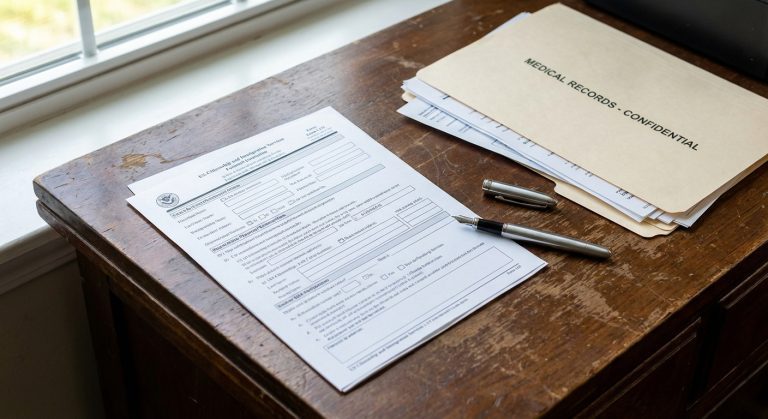
- Urgent humanitarian reasons: Life-saving medical treatment unavailable in the home country, or the need to visit a terminally ill relative. Requires medical records or letters from physicians proving the time-sensitive nature of the situation.
- Significant public benefit: The person’s presence in the U.S. assists the government — such as serving as a witness in a trial or participating in a critical investigation.
In both cases, the burden of proof rests entirely on the applicant. Clear and convincing evidence is required to justify bypassing standard immigration channels.
The essential role of a financial sponsor
Every application must include a financial sponsor through Form I-134 (Declaration of Financial Support). The sponsor guarantees the beneficiary will have adequate housing, food, and medical coverage throughout their stay.
Sponsor eligibility requirements:
- Must be a U.S. citizen, lawful permanent resident, or person with another lawful status
- Must provide tax returns, bank statements, and employment letters
- Must demonstrate sufficient financial capacity to support the applicant
Without a verified sponsor, the government will deny the request even when the humanitarian need is well-documented.
How to file the application for humanitarian parole
The process begins with Form I-131 (Application for Travel Document). Key requirements:
- Current version of the form — outdated versions are rejected immediately
- Required filing fee (a fee waiver is available for applicants with extreme financial hardship)
- Signed application mailed to the government lockbox location based on the applicant’s current residence
Processing times vary significantly based on agency workload and the urgency of each case. All foreign-language documents must include certified English translations.

What happens after you receive parole approval
Once the individual arrives and is processed at a port of entry, they can apply for an Employment Authorization Document through Form I-765. Work authorization is not automatic — it requires a separate application after parole is officially granted.
Since parole is inherently temporary, the individual must depart before their authorized stay expires. If the emergency persists, they may apply for re-parole — but an extension is never guaranteed, and full compliance with federal law is required throughout the stay.

Ensuring a successful humanitarian parole request
A well-prepared package does more than meet technical requirements — it tells the human story behind the request. Incomplete filings or missing signatures are common reasons for delays that someone in crisis cannot afford.
Highlighting the personal impact of the emergency while aligning with legal standards is the strongest approach. A family-based immigration attorney familiar with these cases can review your package before it reaches the government’s hands.
If you are facing an urgent situation or are not sure whether your circumstances qualify, contact our office — we are here to help.
FAQs about humanitarian parole eligibility and processing
Can more than one person act as a financial supporter for the applicant?
One primary sponsor typically signs Form I-134, but additional evidence of household assets or joint support can be presented if the main supporter does not meet income requirements alone. Each supporter must provide personal financial records — tax returns and bank statements — to verify their capacity.
The goal is to demonstrate to the government that the beneficiary will not require public assistance during their authorized stay.
Is it possible to request faster processing for life-threatening situations?
Yes. Applicants facing extreme emergencies may request expedited handling. This requires a clear explanation of why standard processing would result in severe harm, supported by corroborating evidence such as hospital intake forms or official government notices.
An expedite request does not guarantee approval. The underlying humanitarian criteria must still be met for the entry to be authorized.
What steps can be taken if a request for discretionary entry is denied?
There is generally no formal appeal process for this benefit. However, applicants can file a new request if their circumstances change or if they have significant new evidence not included in the initial submission.
Reviewing the denial notice carefully is critical — it identifies the specific reason for rejection, such as insufficient financial support or lack of urgency proof. Re-filing requires a completely new application package and fees.
Does having an authorized stay through this process allow for international travel?
Individuals who entered through this measure should be extremely cautious about leaving the United States. Generally, departing the country terminates the parole and the person would need a new travel document to return.
If travel is absolutely necessary, a separate travel document must be secured before departure. Leaving without proper documentation can result in being denied re-entry at the border.
What kind of documentation strengthens a request based on medical emergencies?
Documentation must go beyond a diagnosis to explain why the situation is time-sensitive and cannot be addressed in the home country. This typically includes letters from local physicians detailing the lack of treatment options and confirmation from a U.S.-based facility willing to provide care.
A clear timeline of the expected treatment duration also helps the government determine the appropriate length of authorized stay.