5-minute read
Navigating the complex path to bring a loved one to the United States often begins with a fundamental understanding of how the law prioritizes keeping families together. U.S. immigration policy is designed to facilitate this bond by allowing citizens and Lawful Permanent Residents to petition for their eligible relatives. Securing a family reunification visa serves as the primary legal mechanism to bridge the distance between family members, provided the sponsor meets specific financial and legal requirements.
The speed and specific requirements of this process are largely determined by the legal status of the person filing the petition on behalf of their relative. While some categories move relatively quickly, others involve significant waiting periods that vary based on international quotas and preference tiers. Consulting with an experienced family based immigration attorney can help you identify the most efficient route and avoid common procedural errors that might delay your reunion.

How does the family reunification visa work for U.S. families?
The concept of a family reunification visa encompasses various immigrant visa categories designed to allow foreign nationals to obtain permanent residency based on their relationship with a U.S. sponsor. At its core, this system operates on the principle that family unity strengthens the social fabric of the country. The law distinguishes between two major groups known as Immediate Relatives of U.S. citizens and those falling under the Family Preference categories.
The fundamental requirement for any petition is the existence of a qualifying relationship that is recognized under federal law. Sponsors must demonstrate that the family bond is genuine and legally valid through official documentation before the government grants any immigration benefit. This initial validation ensures that only those with legitimate family ties can access the restricted number of visas available each fiscal year through the Department of State.
The difference between sponsoring as a Citizen or a Permanent Resident
While both U.S. citizens and Lawful Permanent Residents have the right to sponsor certain family members, the legal pathways available to them differ significantly in terms of priority and volume. U.S. citizens enjoy the benefit of sponsoring “Immediate Relatives,” which includes spouses, unmarried children under twenty-one, and parents. For these specific relatives, there is no annual limit on the number of visas issued, meaning they do not have to wait for a visa number to become available.
In contrast, Lawful Permanent Residents are subject to annual caps and a tiered preference system when sponsoring spouses or unmarried children. This structure often results in longer waiting periods because only a set number of visas are allocated for these categories globally each year. If a Green Card holder becomes a naturalized citizen while a petition is pending, the category can often be upgraded to an “Immediate Relative” status, potentially shortening the wait significantly.
Starting the process with the Form I-130 petition
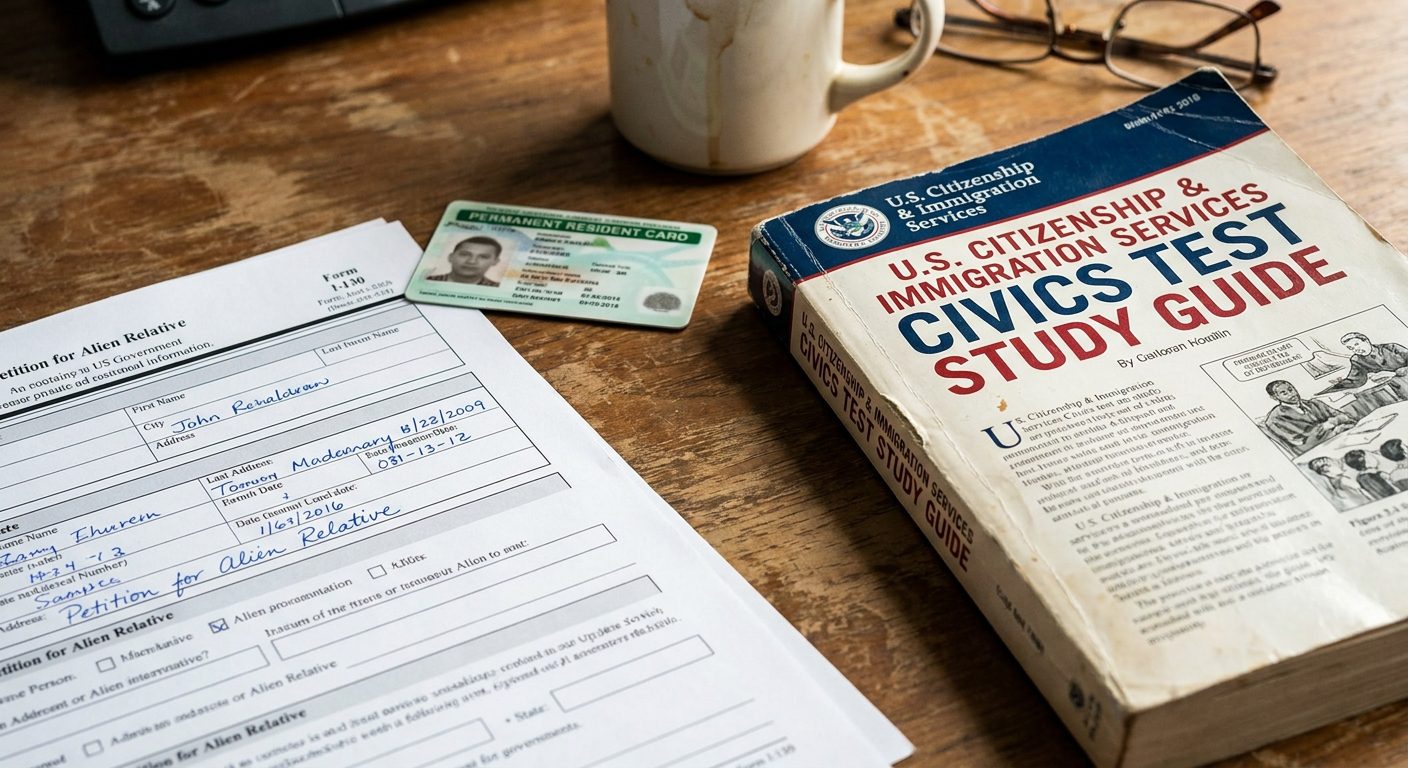
The formal journey toward family reunification begins with the filing of Form I-130, Petition for Alien Relative, with U.S. Citizenship and Immigration Services. This document serves a singular and critical purpose of establishing the existence of a valid and qualifying relationship between the petitioner and the beneficiary. It is the necessary first step that signals to the government your intent to bring a family member to live permanently in the United States.
Once USCIS approves the initial petition, the case transitions from the domestic agency to the National Visa Center for further processing. This handoff marks a shift from verifying the family relationship to preparing for the actual visa application and consular interview. During this stage, the government will begin requesting financial affidavits and civil documents to ensure the beneficiary is admissible and the sponsor can provide adequate financial support.

Managing expectations for wait times and priority dates
One of the most challenging aspects of the immigration process is understanding the timeline, which is governed by the concept of “priority dates” for those in preference categories. A priority date is essentially your place in the virtual line, determined by the day your I-130 petition was properly filed. Because demand often exceeds the supply of available visas, many applicants must wait for their priority date to become current before they can move forward.
To track these timelines, applicants must refer to the Department of State’s monthly Visa Bulletin, which lists the cut-off dates for various categories and countries. Factors such as per-country limits and high demand from specific regions can cause these dates to move slowly or even regress. While some family members may wait only months, others in lower-preference categories might face wait times extending several years, making consistent monitoring of the bulletin essential for planning.
Essential evidence to prove your family relationship
The burden of proof always rests on the petitioner to demonstrate that the family relationship is legitimate through a robust collection of evidence. Primary evidence typically consists of official government-issued documents, such as birth certificates, marriage licenses, or adoption decrees. These documents must be clear, unaltered, and provided in their original language alongside a certified English translation if they were not originally issued in English.
In situations where primary documents are unavailable due to civil unrest or lost records, the government allows for secondary evidence to bridge the gap. This might include:
- School records: Official transcripts or enrollment documents that list the names of the parents and the child’s date of birth.
- Religious certificates: Baptismal records or marriage documents issued by a religious institution that predate the immigration filing significantly.
- Affidavits of birth: Written statements from close relatives or medical professionals who have personal knowledge of the birth or relationship.
Providing thorough and organized documentation from the start is the most effective way to prevent administrative delays or requests for further evidence. Missing or incomplete records are one of the most common reasons for processing interruptions during the initial USCIS review phase.
Preparing for a successful family immigration journey
Successfully navigating the U.S. immigration system requires a strategic mindset and meticulous attention to detail at every phase. Beyond just filing forms, families must remain vigilant by consistently monitoring their case status through official portals and staying informed about shifting policy landscapes. Minor errors in documentation or missed deadlines can lead to years of unnecessary delays, making proactive management of your file a top priority.
Complex family situations often require specialized knowledge to navigate the nuances of the law and ensure that no opportunities for faster reunification are overlooked. Engaging a family based immigration attorney can provide the necessary oversight to handle complicated evidentiary requirements or status changes. Entering the process with realistic expectations and professional support empowers families to face the bureaucratic journey with confidence and a clear path toward their future together.
FAQs about family preference categories
What happens if a child turns twenty-one while waiting for a family reunification visa?
This is a common concern known as aging out. Under the Child Status Protection Act (CSPA), certain beneficiaries may be able to freeze their age for immigration purposes. The calculation depends on how long the initial petition was pending and when a visa number became available. While it offers protection, it is not automatic for everyone. It is crucial to monitor priority dates closely because missing a deadline to seek residency after a visa becomes available can result in losing this legal protection and shifting to a slower preference category.
Can a Lawful Permanent Resident sponsor a married son or daughter for residency?
Current U.S. immigration laws do not allow Lawful Permanent Residents to petition for married children. This specific pathway is reserved exclusively for U.S. citizens. If a permanent resident sponsor has a pending petition for an unmarried child who subsequently gets married, that petition typically becomes void. However, if the sponsor becomes a naturalized U.S. citizen before the marriage or while the case is pending, the petition may remain valid under a different preference category, though wait times will likely change based on the new classification and priority date.
Is it possible for a U.S. citizen to petition for their brothers or sisters?
Yes, U.S. citizens who are at least twenty-one years old can sponsor their siblings through the fourth preference category. It is important to note that this specific path usually involves the longest waiting periods in the entire family-based system due to annual visa caps and high demand. Because these wait times can span over a decade depending on the country of origin, families often choose to file as early as possible to secure a priority date. This category include half-siblings and adopted siblings in certain cases.
What options are available if a sponsor does not meet the minimum income requirements?
If the primary petitioner’s income falls below the federal poverty guidelines, the law allows for the use of a joint sponsor. A joint sponsor is a U.S. citizen or permanent resident living in the United States who agrees to accept legal responsibility for supporting the family member. This individual does not need to be related to the applicant. Alternatively, the assets of the sponsor or the household members may sometimes be used to bridge the financial gap, ensuring the beneficiary does not become a public charge.
Does the family reunification process change if the relative is already present in the United States?
The legal path depends heavily on how the relative entered the country and the status of the sponsor. Immediate relatives of U.S. citizens who entered with inspection may often adjust their status without leaving. However, those who entered without inspection or are sponsored by permanent residents may face different challenges, such as the need for unlawful presence waivers. Navigating these situations requires a careful analysis of the beneficiary’s entry history and current legal standing to avoid triggering bars to reentry that could result in long-term separation.