Estimated reading time: 8 minutes
When you ask whether does a U visa forgive deportation, you want a clear answer: U visas provide protections like deferred action and work authorization, but they do not guarantee immunity from removal. Understanding how these protections work in practice can help you plan your next steps and seek the right support.
As a community, we can guide you through the process, and together we can outline practical steps. If you need tailored guidance, reach out to our team—the U visa immigration lawyer can review your case and explain the best path forward.

Does a U visa forgive deportation in practice?
In practice, the protection is real but not absolute. A U visa can provide deferred action and work authorization to eligible crime victims who cooperate with law enforcement, yet it does not guarantee final relief from removal. Victims may still face ICE actions, especially if enforcement priorities shift or if a pending petition encounters procedural backlogs.
Official guidance describes the U visa pathway as relief through a U nonimmigrant status framework that prioritizes safety and cooperation. The protections largely hinge on a discretionary, temporary reprieve rather than a firm status, so plans should account for ongoing legal processes and potential changes in enforcement policy. For more detail on the program and its protections, see the U nonimmigrant status information from USCIS.
Additionally, because wait times can be lengthy and case backlogs persist, families and survivors should understand that a bona fide determination provides interim relief, but it is not a permanent shield. Victims should remain aware of evolving enforcement priorities that may impact pending cases.
What protections come with a U visa?
Protections under the U visa commonly include deferred action and a work permit during the processing period. These protections aim to encourage cooperation with law enforcement while safeguarding individuals from removal while their case advances. A bona fide determination often starts this interim relief, but it does not replace the need for final adjudication of a petition. You can learn more about these concepts through official channels on the U visa resources page from USCIS.
People should also know that these protections are subject to review and can be reversed if circumstances change. Understanding how deferred action interacts with potential final relief helps you set realistic expectations and plan for the long term.

What enforcement changes are shaping risk for U visa holders?
2025 enforcement trends as described by official channels emphasize faster and broader removal initiatives. A nationwide emphasis on expedited processes may affect individuals with pending U visa claims, especially if an officer determines removal is warranted despite ongoing applications. The changes create a precarious mix of protections and removal risks that victims must navigate with counsel. For a broader overview of enforcement priorities and visa considerations, see the U visa coverage page on DHS.
In this shifting landscape, many advocates emphasize the importance of two-year presence proofs and timely responses to requests for information. While a formal final relief decision remains essential, enforcement actions can still proceed in parallel, underscoring why proactive legal guidance is critical. Learn about the U visa and related enforcement considerations on the DHS U visa topic page.
These developments have prompted lawsuits and advocacy around how best to balance law enforcement needs with protections for crime victims. Victims and their families often face dilemmas when balancing cooperation with authorities and risk of removal, making professional guidance essential.

How can victims navigate protective options and legal steps?
Step 1: consult a qualified attorney about eligibility
First, understand that eligibility requires cooperation with law enforcement and a qualifying crime victim background. An attorney can help you assess the bona fide determination process, ensure you gather necessary documentation, and explain how deferred action may fit your timeline. A careful evaluation sets realistic expectations as you begin.
Step 2: gather documentation and file timely petitions
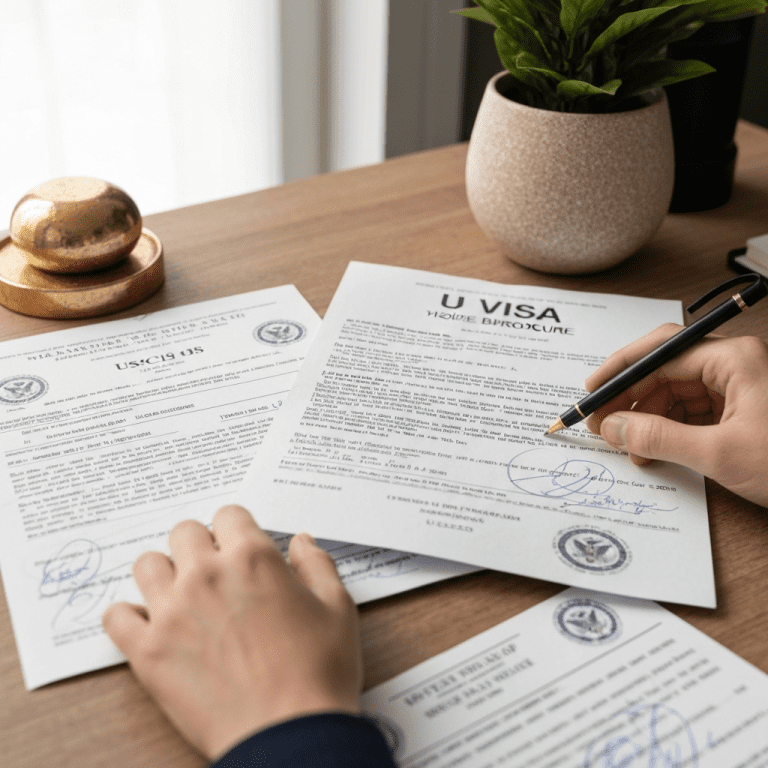
Collect records showing your victim status, cooperation with law enforcement, and any evidence of the harm suffered. Filing a U visa petition involves documenting your eligibility and obtaining a law enforcement certification. Throughout the process, stay proactive about deadlines and requests for evidence, as gaps can slow progress or trigger adverse actions.
As you assemble materials, remember that the process relies on accurate records and ongoing cooperation. This stage often benefits from a structured plan and professional guidance to keep your case moving forward efficiently.
Step 3: prepare for interviews and potential removal actions
During interviews or check-ins, you have rights and protections, but enforcement considerations may still arise. Prepare with your counsel to explain how your case shows eligibility, how you meet U visa criteria, and how you maintain safety for yourself and your family. The aim is to maintain your status and reduce risk while pursuing final relief.
The environment around U visas continues to evolve, so ongoing legal support is essential to adapt to new guidance and policies. Staying informed through official resources and your attorney helps you navigate uncertainty with confidence.
In summary, the U visa offers meaningful interim protections but does not guarantee deportation forgiveness. By understanding the interplay of deferred action, bona fide determinations, and enforcement priorities—and by taking deliberate, informed steps—you can protect yourself and your loved ones while pursuing relief.
If you or someone you know is navigating this path, an informed, compassionate approach makes all the difference. Reach out to a trusted immigration professional to review options, gather documents, and plan the next steps with care.
FAQ: Does a U visa forgive deportation?
Does a U visa guarantee you won’t be deported?
No. A U visa can provide protections like deferred action and work authorization, but it does not guarantee immunity from deportation. ICE may still act, especially if enforcement priorities change or your petition experiences delays. The protections are discretionary and temporary while your case is processed. Plan with an attorney to understand how deferred action fits your timeline and to pursue final relief if eligible.
What is a bona fide determination and how does it affect my U visa case?
A bona fide determination is an interim review that confirms you meet basic U visa criteria and allows temporary protections to begin while your petition is processed. It is not final relief and does not guarantee a visa grant or permanent status. Backlogs and changing policies can still affect your case, so ongoing legal guidance helps you plan for both short-term protections and long-term relief.
What documents should I gather for my U visa petition?
You should collect records that establish your victim status, cooperation with law enforcement, and the harm you suffered. Key documents include certification from a qualified law enforcement agency, personal statements, medical or counseling records, police reports, and any evidence of assisting investigations. Maintain copies and translations, track deadlines, and organize materials so your attorney can prepare a complete petition and respond promptly to requests for evidence.
What enforcement changes in 2025 could affect U visa holders?
2025 enforcement trends emphasize faster, broader removal actions and expedited processes. This means that even with a pending U visa claim, an officer could determine removal is warranted in parallel with your case. Victims are urged to maintain timely responses to information requests, document two-year presence when possible, and work closely with counsel to adapt to evolving policies that balance safety with enforcement goals.
What practical steps can I take today to move forward with U visa options?
Start by consulting a qualified immigration attorney who understands U visas and your community’s needs. Evaluate eligibility, then create a concrete plan. Gather essential documents, organize deadlines, and stay in regular contact with your attorney. Prepare for interviews by articulating your victim status and cooperation. Finally, monitor official guidance and seek supportive communities to help you stay safe while pursuing relief.